
What 24 Hour Mold Test Results Can Tell You
A musty smell when the AC turns on is not something to put off until next season. Neither are allergy-like symptoms that seem worse indoors, dark spots around vents, or moisture that keeps returning near the air handler. 24 hour mold test results can give you a fast, practical answer about whether your AC system may be circulating mold contamination through the space where you live or work.
That answer matters because your HVAC system does more than cool the air. It moves air from room to room, potentially spreading particles well beyond the place where moisture first created a problem. A quick, focused AC vent test helps you decide whether it is time to clean, investigate further, or bring in qualified help before the issue becomes more expensive.
Why Fast Mold Test Results Matter
Mold needs moisture and a surface to grow on. AC systems can create favorable conditions when condensation, clogged drain lines, dirty components, high humidity, or leaks allow moisture to linger. Once contamination is present inside or near the system, every cooling cycle can become a source of concern.
Waiting weeks for an answer can leave you guessing while the system keeps running. Fast results do not replace every type of professional inspection, but they can be a valuable first step when you need information now. For families, renters, property managers, and small business owners, that clarity can prevent the two most common mistakes: ignoring a real warning sign or paying for broad, costly services before confirming there is a reason to do so.
A DIY AC mold test is especially useful when the concern is connected to the ventilation system itself. If the odor appears only when the fan starts, for example, testing the AC system is more relevant than testing a random wall across the house.
What 24 Hour Mold Test Results Mean
A test result should help you make a decision, not create more confusion. In general, your next step depends on whether the test indicates mold activity or whether it does not show mold under the conditions tested.
If Your Result Is Positive
A positive result means mold was detected in the sample collected from your AC or vent area. Treat that as a reason to act promptly, especially if you also notice a musty odor, visible buildup, water damage, recurring respiratory irritation, or worsening symptoms when the HVAC system is operating.
It does not automatically tell you the full size, source, or type of the issue. Mold can be limited to a component that needs cleaning, or it can be connected to a deeper moisture problem in the air handler, drain pan, ductwork, insulation, or surrounding structure. The test gives you a meaningful warning that contamination may be present. The next goal is to identify and correct the moisture source so the problem does not return.
Start by avoiding unnecessary exposure. Keep the area dry, replace a dirty filter if appropriate for your system, and document any visible signs or odors. If you see extensive visible growth, suspect water damage inside walls or ceilings, or someone in the building has serious respiratory sensitivities, contact a qualified HVAC or mold remediation professional for an evaluation.
If Your Result Is Negative
A negative result is reassuring, but it should be read in context. It means the sample tested did not show mold growth under the test conditions. If the smell, moisture, or symptoms continue, there may still be another indoor air issue worth investigating.
For example, the concern could be dust buildup, a clogged condensate line, standing water, bacteria associated with moisture, an old filter, a pest issue, or contamination located in a part of the system that was not sampled. A negative result does not mean you should ignore a persistent leak or strong musty odor. It means mold was not confirmed by that specific test, and the next step may be routine HVAC maintenance or a closer look at the source of moisture.
When Results Need More Validation
Sometimes you need documentation beyond a quick at-home result. This may apply to a landlord dispute, a commercial property concern, a real estate transaction, a contractor assessment, or a situation involving ongoing health complaints. In those cases, an optional lab report or a professional inspection can provide additional validation.
The right level of follow-up depends on the stakes. For a minor concern caught early, simple cleaning and moisture control may be enough. For repeated positives, visible water damage, or a problem affecting multiple rooms, more detailed evaluation is the safer path.
How to Get a More Useful AC Mold Test
A fast test is only as useful as the sample you collect. Follow the kit instructions carefully and test the area most connected to the concern. If the odor is strongest at a particular supply vent or near the indoor AC unit, begin there rather than choosing the easiest location to reach.
Clean Vent Air Solutions keeps the process simple: clip, combine, and cover. The goal is to make a targeted AC mold check accessible without requiring technical training or an expensive inspection as your first move.
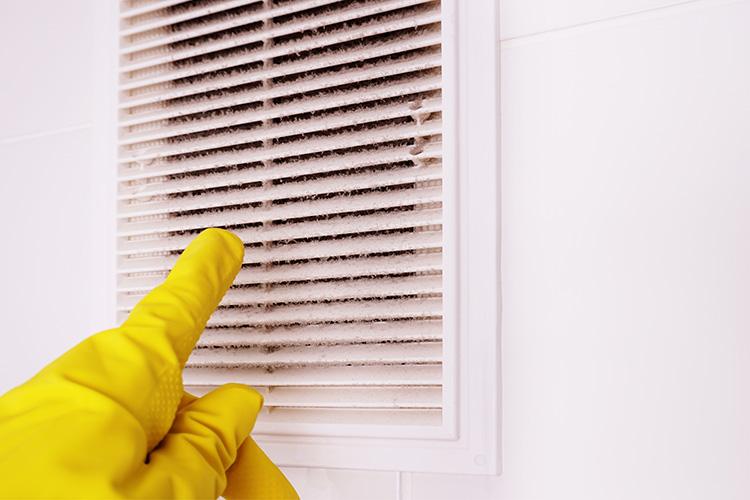
Before testing, avoid guessing based on appearance alone. Not every dark mark is mold, and mold is not always visible. A vent can look clean while moisture and contamination are developing inside a nearby component. Likewise, a dusty vent cover may look alarming but not be the primary issue. Testing provides a clearer basis for action.
Be mindful of timing, too. If your system recently had a water overflow, a drain line backup, or a period of unusually high indoor humidity, testing soon is sensible. These events create the conditions mold needs, and early detection gives you more options.
Warning Signs That Should Not Wait
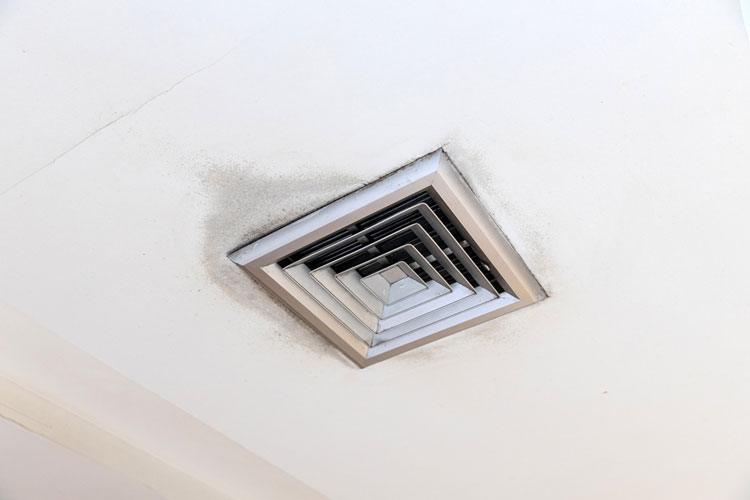
Some situations call for immediate attention, whether you are waiting for results or already have them. A strong, persistent musty smell from vents is one. So are visible mold-like spots around registers, repeated condensation, water stains near the air handler, or a drain pan that holds water instead of draining.
Health symptoms deserve attention as well. Mold exposure can affect people differently, and symptoms alone cannot diagnose a mold problem. Still, congestion, coughing, eye irritation, headaches, or asthma symptoms that consistently improve away from a building are signals worth taking seriously. Infants, older adults, people with asthma, and people with compromised immune systems may be more sensitive to poor indoor air conditions.
If anyone is having trouble breathing or a severe reaction, seek medical care right away. For property concerns, do not cover up odors with sprays or run the system harder in hopes the problem will disappear. Address the moisture and investigate the system.
What to Do After a Positive Result
The most effective mold response is not just removing what you can see. It is stopping the moisture that allowed it to develop. An HVAC professional can inspect components such as the evaporator coil, drain pan, condensate line, blower area, filter housing, and accessible ductwork. Depending on the findings, cleaning, drainage repair, filter changes, humidity control, or targeted remediation may be recommended.
Avoid treating a positive result as a reason to use harsh chemicals inside your HVAC system without guidance. The wrong product or method can damage equipment, leave residues, or fail to address the underlying water issue. A temporary fresh scent is not the same as clean air.
After corrective work, consider retesting when appropriate. A follow-up result can provide added peace of mind that the steps taken addressed the concern, particularly after a recurring issue or a documented contamination problem.
Your AC should be a source of comfort, not a question mark every time it starts. A fast test gives you a practical place to begin, so you can move from concern to a safer, more informed next step.