
Air Conditioner Odor Guide: What Smells Mean
That smell hits when the AC starts: damp laundry, sour socks, hot plastic, or something chemical. An air conditioner odor guide can help you sort out what is merely unpleasant from what may point to moisture, mold contamination, an electrical problem, or a system that needs immediate attention.
Do not assume an odor is normal just because your air conditioner still cools the room. Central air moves through every connected vent, which means the source of a smell can affect the air your family, tenants, customers, or employees breathe. The faster you identify the pattern, the easier it is to choose the right next step.
Why an Air Conditioner Smell Should Not Be Ignored
Your AC creates condensation as it cools warm air. Normally, that moisture drains away. When a drain line clogs, a filter stays in too long, insulation gets wet, or the indoor coil and nearby surfaces collect dust and moisture, odors can develop quickly.
A smell alone cannot confirm mold or tell you the exact species present. It can, however, be a meaningful warning sign – especially when it returns every time the system runs, gets stronger after rain or high humidity, or comes with visible spotting, water damage, coughing, congestion, eye irritation, or allergy-like symptoms.
Some odors are also safety issues rather than air-quality issues. Burning, electrical, fuel, or strong chemical smells deserve a faster response than a mild stale odor. Trust your senses and do not keep running a system that smells dangerous.
What Common AC Odors Can Mean
Musty, earthy, or wet-basement smell
A musty smell is the one many homeowners associate with mold, and for good reason. It often points to excess moisture somewhere in or near the HVAC system. Possible areas include the evaporator coil, drain pan, condensate line, air handler, duct insulation, or a wet filter.
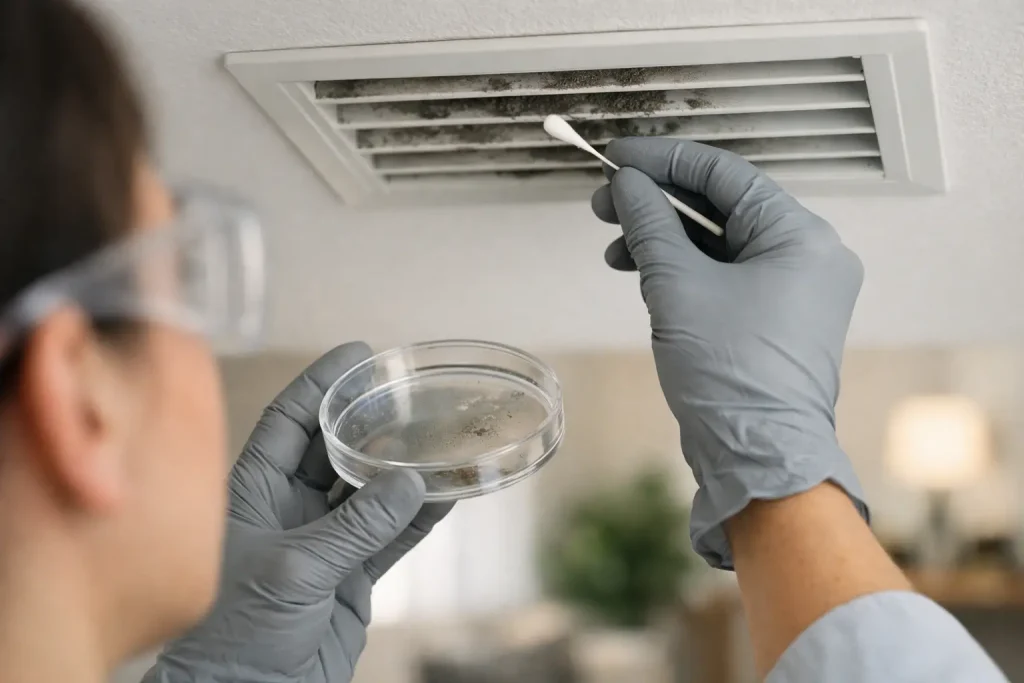
Mold and mildew can grow where moisture and organic material collect. Dust inside an AC system provides that material, while condensation provides the moisture. The odor may seem strongest when the blower first turns on because air is passing over contaminated or damp surfaces.
If the smell is recurring, do not mask it with fragrances or sprays. Replace a dirty filter, check for standing water or leaks around the air handler, and consider testing the system for mold before the concern grows into a larger cleanup.
Sour, sweaty, or dirty-sock smell
The so-called dirty sock odor is usually sour, stale, or similar to sweaty gym clothes. It commonly develops when bacteria, dust, and moisture build up on the evaporator coil. In humid areas, the coil can remain damp between cooling cycles, creating conditions that produce a stubborn odor.
A filter change may help if airflow has been restricted, but it will not always solve a coil-related problem. If the smell returns soon after cleaning or appears each cooling season, ask an HVAC professional to inspect the coil, drain system, and airflow. Because moisture-related buildup may overlap with mold concerns, testing is a practical way to get a clearer starting point.
Rotten egg, sewage, or decaying smell
A rotten-egg odor should never be brushed off. If your home has gas appliances, leave the area and contact your gas utility or emergency services according to local guidance. Do not operate switches, light matches, or restart the HVAC system while you investigate a suspected gas leak.
A sewage-like smell can come from a dry plumbing trap, a drain issue, or contamination near ductwork. A dead animal in or near ducts can also create a decaying odor. These problems are different from typical AC mold growth, but they still require prompt inspection because odor particles can circulate through the building.
Burning plastic, smoke, or hot electrical smell
A faint dusty smell during the first heating cycle of the year can happen when dust burns off components. But a persistent burning smell, visible smoke, a hot-plastic odor, or repeated tripped breakers is not routine.
Turn the system off at the thermostat. If you can safely do so, shut off power to the HVAC unit at the breaker and contact a qualified HVAC technician or electrician. Electrical odors can indicate overheating wiring, a failing motor, or another fire risk. This is not a wait-and-see situation.
Chemical, sweet, or solvent-like smell
Chemical odors can have several causes. Cleaning products or paint fumes may be pulled into the return vents, particularly after home projects. A sharp smell may also come from overheated components, damaged duct materials, or refrigerant-related issues.
Modern refrigerant is often described as sweet, chloroform-like, or chemical, but odor is not a reliable way to detect a leak. If cooling performance drops, you hear hissing, see ice on refrigerant lines, or notice a new chemical smell near the unit, shut the system down and schedule HVAC service. Refrigerant work requires a trained professional.
Vinegar or mildew after the AC shuts off
An odor that appears after cooling stops can suggest moisture remaining in the drain pan, coil area, or condensate line. The blower may also be running long enough to circulate damp air after the compressor shuts down.
Start with basic maintenance: use the correct filter size, replace it on schedule, and make sure supply and return vents are not blocked. If you can see water around the indoor unit or notice slow drainage, arrange service. Moisture is the condition you want to correct, not just the smell.
How to Narrow Down the Source Safely
Pay attention to timing. Does the odor begin only when cooling starts, when the fan runs, after a storm, or all day long? A smell tied directly to the AC cycle is more likely to involve the equipment, drain system, or ducts. A constant smell may be coming from another indoor source that the system is spreading.
Check the easiest areas without taking equipment apart. Look at the air filter for dirt, dampness, or visible discoloration. Inspect the space around the indoor air handler for water, staining, or an overflowing drain pan. Walk through the home or business and note whether one vent is noticeably worse than the others.
Avoid spraying disinfectants, bleach, fragrance products, or foggers into vents. They can add irritating chemicals to the air, damage equipment, and hide the odor without addressing the source. Never reach into moving equipment or open sealed electrical compartments.
When an Odor Could Point to AC Mold
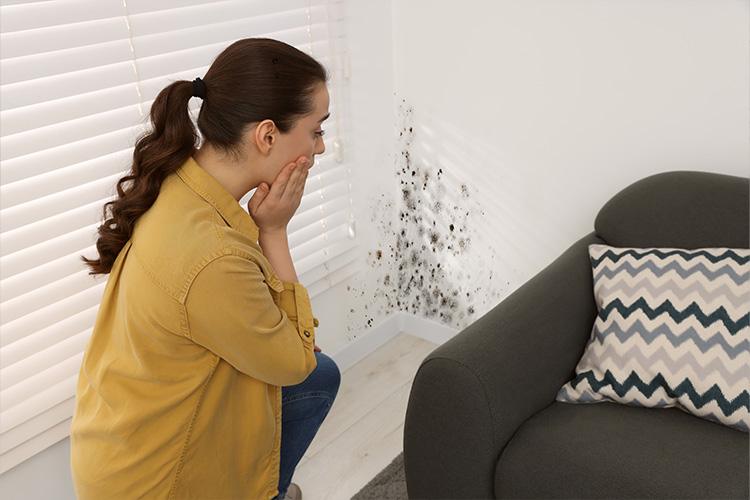
Mold contamination is more likely when a musty or earthy odor keeps returning and there is a moisture history to match it. Warning signs include a clogged condensate drain, a past leak, visible mold near vents, wet insulation, high indoor humidity, or a system that was left off in humid weather.
People react to indoor mold differently. Some may notice nasal congestion, throat irritation, watery eyes, coughing, or worsening allergy symptoms. These symptoms can have many causes, so they should not be used as proof of mold. They are a reason to take a recurring odor seriously and seek appropriate medical guidance if symptoms are severe or ongoing.
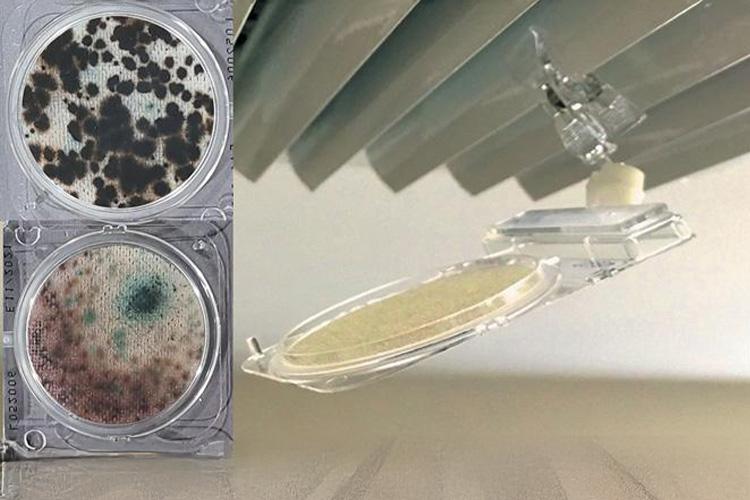
A low-cost test can help you decide whether you need deeper HVAC inspection or remediation. Clean Vent Air Solutions offers a DIY AC mold test designed around a simple clip, combine, cover process, with results available in 24 to 48 hours. It is a useful first step when you need information before committing to a more expensive service call.
What to Do After You Identify the Smell
If the odor is burning, gas-like, smoky, or intensely chemical, turn off the system and contact the appropriate emergency service or qualified technician. Safety comes before troubleshooting.
For musty, sour, or mildew odors, focus on moisture control and evidence. Replace the filter, check the drain path, document leaks or visible growth, and test when mold is a concern. A qualified HVAC technician can clean components, restore drainage, correct airflow problems, and identify damaged insulation or ductwork. If confirmed contamination is extensive, professional remediation may be necessary.
Do not settle for an air freshener covering the problem. A clean-smelling home or workplace starts with finding out what the AC is moving through the air. Acting on a recurring odor now can protect your comfort, your property, and the people who rely on that system every day.