
Can Mold Grow on Coils? What Your AC Can Hide
That musty smell that appears when your AC starts is not something to brush off. If you have wondered, can mold grow on coils, the answer is yes. Your indoor AC coil can provide the damp, dusty environment mold needs to grow, often out of sight while the system continues circulating air through your home or business.
The good news is that you do not have to guess or wait for a small concern to become a costly cleanup. Understanding why coil mold happens, what to watch for, and how to check your system can help you take the right next step sooner.
Can Mold Grow on AC Coils?
Yes. Mold can grow on evaporator coils, especially when moisture, organic debris, and poor airflow come together. The evaporator coil is the part of your indoor HVAC system that removes heat from the air. As warm air passes over the cold coil, water vapor condenses into droplets. That moisture is normal, but it also creates a surface that can stay damp.
By itself, a clean coil that drains and dries properly is less likely to support mold. The issue begins when dust, pet dander, skin cells, pollen, or other debris collect on the coil. Those particles can become a food source. Add recurring condensation, high indoor humidity, or a clogged drain line, and mold may have the conditions it needs to develop.
Because coils sit inside the air handler or furnace cabinet, contamination is not always visible. You may not see black, green, or gray spots, yet still notice an odor or irritation when the system runs.
Why Mold on Coils Matters
An AC system is designed to move air. If mold is growing on or near the coil, spores and fragments may be carried through the ductwork and into occupied rooms. The degree of exposure depends on the size and location of the contamination, the system’s condition, filtration, and how often the AC runs. But the possibility is worth taking seriously, particularly in spaces where people sleep, work, or spend long periods indoors.
Some people are more sensitive to mold than others. Children, older adults, people with asthma or allergies, and anyone with a weakened immune system may be more likely to notice symptoms. Possible warning signs include persistent sneezing, coughing, throat irritation, watery eyes, congestion, headaches, or allergy-like symptoms that seem worse when the air conditioning is on.
Symptoms alone cannot prove that mold is the cause. Many indoor air issues can create similar discomfort. Still, if symptoms line up with a musty AC odor, visible moisture, or recurring HVAC problems, testing the system is a smart and practical first move.
What Causes Mold to Form on an Evaporator Coil?
Coil mold rarely appears for just one reason. It is usually the result of a moisture problem combined with buildup inside the system.
A dirty air filter is one common contributor. When a filter is overdue for replacement, more dust and debris can reach the coil. Restricted airflow can also make the coil colder than it should be, increasing condensation and sometimes causing it to freeze. Once the system cycles off, that excess moisture can linger.
Drainage problems are another concern. Condensate from the coil should flow through a drain pan and drain line. If the line is clogged with algae, debris, or sludge, water can back up into the pan or air handler. That standing water raises the risk of mold growth and may eventually lead to leaks or water damage.
High humidity makes the problem harder to control. In humid climates, an oversized AC, short cooling cycles, or poor ventilation can leave indoor humidity elevated even when the home feels cool. A system that does not run long enough may not remove moisture effectively.
Duct leaks, gaps around the air handler, and uninsulated components can also pull humid air into places it does not belong. The result is a hidden moisture source that keeps returning after surface cleaning.
Signs Your AC Coils May Have Mold
A musty smell from the vents is one of the most recognizable signs. It may be strongest when the system first turns on, after it has been off for a while, or during humid weather. Do not assume a scented spray or a new filter will solve a persistent odor. Those measures can mask the issue without identifying what is growing inside the unit.
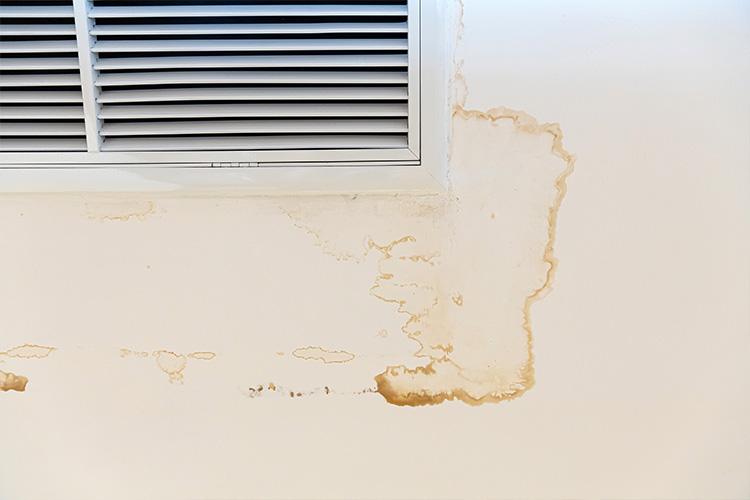
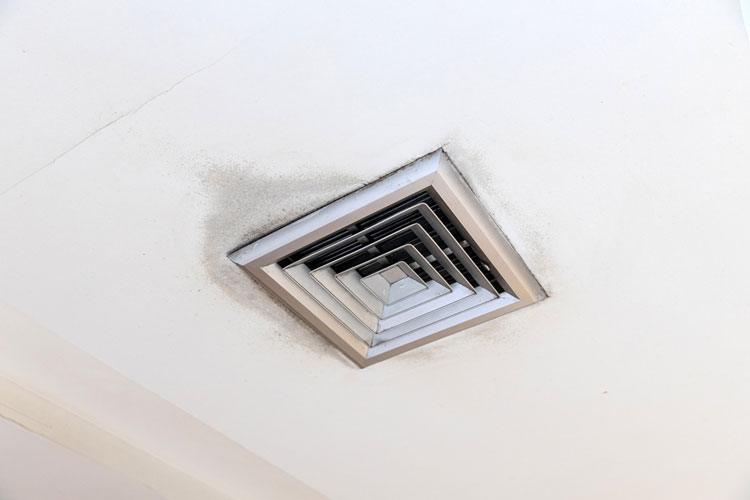
You may also see moisture around the air handler, water in or near the drain pan, or discoloration inside accessible areas of the system. In some cases, homeowners notice dark residue on vent covers. That residue is not automatically mold – it can be ordinary dust, soot, or other particles – but it is a reason to inspect more closely.
Pay attention to patterns. If respiratory irritation seems to increase in a particular room, when the AC is running, or after the system has been idle, write down what you notice. This information can make the next step more focused, whether you test the system yourself or call an HVAC professional.
How to Check for Mold on Coils Safely
Do not take apart your HVAC system or reach around electrical components to inspect a coil. Turn off the system before opening any accessible service panel, and limit your inspection to areas you can view safely. A flashlight may help you look for standing water, heavy dust buildup, obvious residue, or a blocked drain pan.
Visible evidence is useful, but it is not required for a concern to be real. Mold can begin in hard-to-see areas of the coil, drain pan, insulation, or nearby ductwork. It is also easy to mistake ordinary dirt for mold by appearance alone.
That is why a targeted AC mold test can be helpful before you spend money on a broad inspection or remediation service. Clean Vent Air Solutions offers a simple DIY option designed specifically for AC and vent contamination. The process is built around three straightforward steps: clip, combine, and cover. Results are available within 24 to 48 hours, with an optional lab report when you want additional validation.
A test does not replace professional repair when there is active leaking, extensive visible growth, or water damage. It can, however, give you a faster answer when you need to decide whether to clean, repair, or bring in qualified help.
What to Do If Mold Is Found on Your Coils
The right response depends on the extent of the contamination and the moisture source behind it. Simply spraying a fragrance or wiping an accessible surface is not enough if the coil, drain system, or insulation remains damp. Mold can return when the underlying condition is left in place.
For a limited issue, an HVAC technician may be able to clean the coil, clear the condensate line, inspect the drain pan, and address airflow or filtration problems. If insulation inside the air handler is contaminated, it may need replacement rather than cleaning. Significant contamination, repeated water intrusion, or mold spread beyond the HVAC equipment may call for a mold remediation professional.
Ask any service provider to explain what caused the growth and how they plan to prevent it from returning. A proper solution should address moisture control, not just the visible residue.
Keep Your Coils Drier and Cleaner
Prevention comes down to reducing debris and controlling moisture. Change filters on schedule, using the filter type recommended for your system. Keep supply and return vents open and unobstructed so air can move as designed. If your home feels damp, use bathroom and kitchen exhaust fans, repair plumbing leaks promptly, and consider whether a dehumidifier is needed.
Have the condensate drain line and coil checked during regular HVAC maintenance, especially before heavy cooling season. If you have had flooding, a roof leak, a drain backup, or an AC overflow, inspect the system promptly rather than waiting for an odor to appear.
Clean air starts with knowing what is inside the system that delivers it. If your AC smells musty, moisture keeps returning, or your family feels worse when the unit runs, testing now can give you clarity before a hidden problem has more time to spread.