
Duct Cleaning Versus Mold Removal: Which First?
A dusty vent cover, a musty smell when the AC starts, or allergy-like symptoms that seem worse indoors can make one question feel urgent: duct cleaning versus mold removal – which one do you need first? The answer matters because cleaning a system that has active mold contamination may not solve the source of the problem. It can leave your family or employees breathing air that still passes over contaminated components.
Duct cleaning and mold removal are not interchangeable services. One focuses on removing accumulated debris. The other addresses fungal growth, moisture, and contaminated materials. Knowing the difference can help you avoid spending money on the wrong first step and get a clearer path toward safer indoor air.
What duct cleaning is designed to do
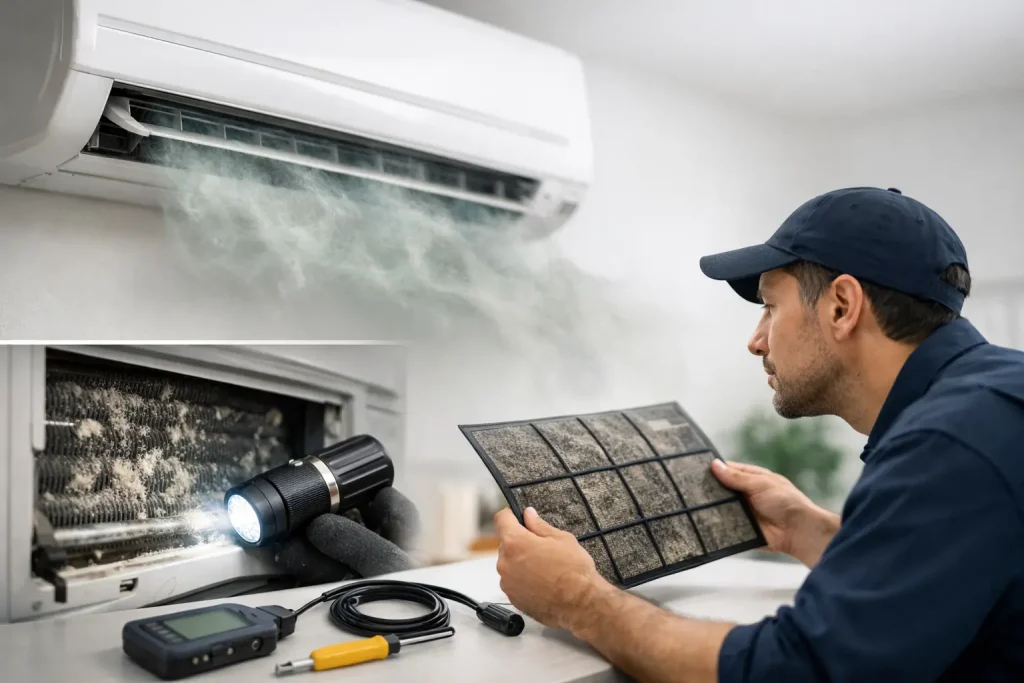
Duct cleaning is a maintenance service aimed at removing dust, lint, pet hair, pollen, construction debris, and other particles that collect in HVAC ductwork over time. A qualified provider may use specialized vacuums, agitation tools, and access points to clean sections of the supply and return ducts.
This service can make sense after a renovation, when a home has excessive dust, when vents are visibly dirty, or when pests have left debris in the duct system. It may also help improve airflow if buildup is substantial. But dust removal alone is not the same as treating a mold problem.
If mold is growing on an evaporator coil, inside an air handler, on insulation, or in damp duct material, a standard duct cleaning may not reach every affected area. Worse, aggressive brushing or air pressure used without proper containment can disturb spores and spread them through the system.
A clean-looking vent does not prove that the AC system is clean. The components most likely to stay damp and support mold growth are often out of sight.
What mold removal addresses
Mold removal, often called mold remediation, is the process of finding the moisture source, containing contamination, removing or cleaning affected materials, and correcting conditions that allow mold to return. In an HVAC system, that may involve the air handler, drain pan, condensate line, cooling coil, duct insulation, registers, or nearby building materials.
The right scope depends on what is contaminated and how extensive the problem is. Nonporous components may sometimes be professionally cleaned. Wet or moldy insulation, flex duct lining, ceiling materials, or other porous items may need to be removed and replaced. A remediation professional should also address the moisture issue, such as a clogged condensate drain, poor drainage, a leak, high humidity, or an oversized AC unit that does not run long enough to dehumidify properly.
Mold removal is more involved than cleaning because it is meant to stop continued growth, not simply improve appearance. That is why a musty odor that returns shortly after cleaning deserves attention. The smell may be telling you that moisture and contamination are still present.
Duct cleaning versus mold removal: the key difference
The simplest distinction is this: duct cleaning removes debris, while mold removal addresses contamination and the conditions feeding it.
Duct cleaning can be part of a larger remediation plan. For example, after a mold issue has been properly contained and the source of moisture corrected, cleaning ductwork may help remove settled dust and debris from the system. But it should not be used as a substitute for identifying whether mold is present or where it is growing.
Think of it like wiping water from a floor while a pipe is still leaking. The surface may look better for a while, but the underlying problem continues. With HVAC mold, the system can circulate air throughout bedrooms, living spaces, offices, and shared areas every time the fan runs. Early detection helps you act before a small concern becomes a more expensive property and health issue.
When to test before scheduling any service
Testing is a practical first move when you have signs that point to possible AC or vent contamination but do not yet know whether you need cleaning, remediation, or HVAC repair. It gives you information before you commit to a service that may not address the real issue.
Pay close attention if you notice a musty or earthy smell from vents, dark spotting around registers, repeated allergy-like irritation indoors, coughing that improves when you leave the building, unexplained humidity, or water around the indoor AC unit. These signs do not confirm mold on their own, but they are strong reasons to investigate.
A simple HVAC mold test can help you get an initial answer quickly. Clean Vent Air Solutions offers a low-cost DIY AC mold test built around a straightforward clip, combine, cover process, with results available in 24 to 48 hours. For homeowners, renters, and small business operators, testing can be a more accessible first step than immediately paying for a broad inspection when the concern is specifically tied to the air conditioning system.
If a test suggests mold contamination, do not assume a basic duct cleaning will make the issue disappear. Use the result to guide your next conversation with an experienced HVAC or remediation professional. Ask what areas they will inspect, how they will contain contaminated material, and how they will identify and correct the moisture source.
When duct cleaning may be enough
Duct cleaning may be the reasonable choice when there are no signs of moisture or mold and the concern is primarily ordinary buildup. This often includes dust after remodeling, pet hair, debris following pest activity, or neglected filters that allowed excess particles into the system.
It can also be useful after a confirmed mold problem has been remediated. In that case, cleaning is not the cure. It is a finishing step that can support a cleaner system once the cause of the contamination has been handled.
Be cautious about companies that promise to solve every indoor air issue with a quick vent cleaning. Ask what they found, whether they inspected the air handler and coil area, and whether they see evidence of water damage or active growth. A trustworthy provider should explain the limits of the service clearly.
When mold removal should come first
Mold removal should take priority when there is confirmed mold, visible growth inside HVAC components, water damage, recurring musty odors, persistent condensate problems, or wet insulation and duct materials. The same is true if someone in the space is experiencing significant respiratory symptoms that appear connected to time spent indoors.
Do not disturb visible mold growth yourself with a household vacuum, bleach, or a dry brush. Those approaches may not solve the source, and they can spread particles or damage some materials. If contamination appears extensive, if it involves water-damaged building materials, or if the property has had flooding, a qualified remediation assessment is the safer path.
Renters should document odors, leaks, visible growth, and dates when symptoms or AC problems occur, then notify the property owner or manager in writing. Small business operators should take staff complaints seriously and investigate quickly, especially in areas where people spend long hours indoors.
Protect the system after the work is done
Whether the next step is cleaning or remediation, prevention comes down to moisture control and routine HVAC care. Change filters on schedule, keep condensate drains clear, address leaks promptly, and make sure the indoor unit is serviced regularly. In humid climates, monitor indoor humidity and avoid letting damp conditions linger.
The goal is not simply to make vents look clean. It is to make sure the air moving through your home or business is not carrying a problem you have not identified. When the AC smells wrong, moisture keeps appearing, or symptoms keep returning, get an answer early. A quick test can replace uncertainty with a clear next step and help protect the people who rely on that air every day.