
How to Screen Home Air for Mold Quickly
A musty smell that appears the moment your AC turns on is not something to ignore. Learning how to screen home air for mold can help you act early, before a small moisture issue turns into a larger air quality, HVAC, or property problem.
Mold can grow in damp areas around an air conditioning system, including drain pans, coils, ducts, insulation, and vents. When your system runs, it can move particles and odors through the same air your family, guests, employees, or tenants breathe every day. Screening your air does not replace a full inspection when there is obvious damage or a serious health concern. It does give you a fast, practical way to decide what needs attention next.
Start With the Signs Your Home Is Giving You
You do not need to see a large patch of mold to have a reason to investigate. HVAC-related mold contamination often begins out of sight, where condensation and limited airflow create damp conditions.
Pay attention when a musty or earthy odor gets stronger near supply vents, returns, or the indoor AC unit. Also take note if the smell returns after cleaning, appears only when the system runs, or is strongest in one room or zone.
Physical symptoms can be another clue, especially when they improve after you leave the building. Ongoing sneezing, coughing, throat irritation, watery eyes, headaches, or allergy-like discomfort can have many causes, including dust, pollen, pets, and dry air. They are not proof of mold. But when symptoms appear alongside odors, water damage, or visible spotting near vents, screening the air is a sensible next step.
Other warning signs include recurring condensate drain clogs, water around an air handler, rust near HVAC components, damp insulation, recently repaired leaks, flooding, or indoor humidity that stays above 60%. A clean-looking vent cover does not rule out a problem farther inside the system.
How to Screen Home Air for Mold Around Your HVAC System
The goal of a home screen is not to collect random dust from every surface. It is to check the areas most connected to the air your AC circulates. Start with your vents and the parts of the system where moisture is most likely to collect.
First, turn off the HVAC system before opening a vent cover or getting close to accessible components. Look for visible discoloration, fuzzy growth, residue, dampness, and standing water. Use a flashlight and avoid disturbing anything that looks like significant mold growth. Scrubbing or brushing a contaminated surface can send more particles into the air.
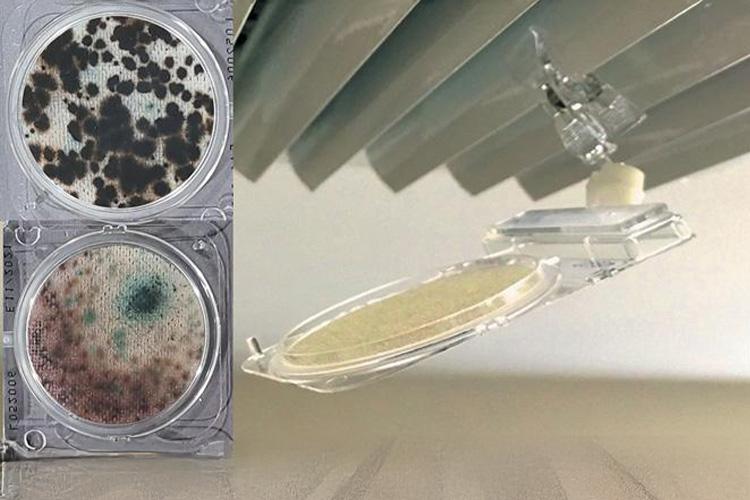
Then, use a mold test designed specifically for AC vents and air circulation pathways. A focused vent test is often more useful as a first screen than a general room test because it helps answer the question homeowners actually have: Is my HVAC system moving possible mold contamination through the house?
Clean Vent Air Solutions offers a DIY AC mold test built around a simple clip, combine, cover process. The test is designed to help you screen an AC vent without technical training and provide results within 24 to 48 hours. If you need additional documentation, an optional lab report can provide another level of validation.
Follow the test instructions exactly. Sampling method matters. A result can be less useful if the sample is taken from a dusty exterior surface rather than the vent area or airflow pathway the kit is designed to assess. Avoid testing immediately after major cleaning, duct work, or use of strong chemical sprays, since those conditions can affect what is present on the surface or in the air.
Choose the Right Vents to Check First
If you are testing one location, start with the vent where the odor is strongest or where household symptoms seem most noticeable. If no area stands out, choose a frequently used room such as the main bedroom, living room, nursery, or office.
In larger homes and small businesses, compare zones. A downstairs vent may not tell you much about an upstairs system with a separate air handler. Test the areas served by the system you are concerned about, particularly if one wing of the building smells different or has a history of leaks.
Do not forget return vents. Supply vents blow conditioned air into a room, while return vents pull indoor air back toward the HVAC equipment. A musty return area may point to contamination, moisture, or dirty filtration closer to the system. If it is safe to do so, inspect the filter compartment too. A wet, severely soiled, or overdue filter deserves immediate replacement, but changing the filter alone will not solve an underlying mold source.
What a Home Mold Screen Can and Cannot Tell You
A DIY screen is a smart first action because it is fast, affordable, and targeted. It can help you move past guesswork when you notice an odor or want reassurance after a leak, humidity issue, or unexplained irritation.
Still, every testing method has limits. A positive result means you should take the concern seriously and investigate the source. Mold needs moisture to grow, so the next question is always where that moisture is coming from. It could be a clogged drain line, condensation on poorly insulated ductwork, a coil issue, a roof or plumbing leak, or humidity that is too high for too long.
A negative result can be reassuring, but it is not a permanent all-clear. Mold levels and odors can change with weather, system runtime, humidity, and where a sample was taken. If a strong musty odor continues, water damage is visible, or people in the building feel unwell when the AC runs, keep investigating even after a negative screen.
Testing also cannot diagnose a medical condition or identify every indoor air contaminant. If someone has asthma, a weakened immune system, severe allergies, or persistent respiratory symptoms, speak with a healthcare professional. Protecting indoor air is part of a larger health plan, not a substitute for medical care.
What to Do if You Find Possible Mold
Do not panic, but do not wait for the issue to spread. Start by limiting the moisture that allows mold to continue growing. Empty standing water from accessible drain pans only if you can do so safely, replace wet filters, and use a dehumidifier if indoor humidity is elevated. Keep humidity ideally between 30% and 50%.
Small, non-porous areas of surface growth may be cleanable, depending on the location and extent. HVAC components, duct interiors, wet insulation, and recurring contamination are different. These problems often require an experienced HVAC technician or qualified mold remediation professional who can identify the moisture source and recommend the right cleanup approach.
Avoid covering odors with air fresheners or relying on a stronger filter as the only fix. Fragrance can hide the warning sign, and a filter cannot remove mold growing on a coil, in a drain pan, or inside wet duct materials. The source has to be addressed.
If you rent, document what you notice. Take dated photos of visible moisture or staining, record when odors occur, and save testing information. Share the concern with the property manager in writing so there is a clear request for inspection and repair.
Keep Your Air System From Becoming a Mold Problem
The best time to screen your home air for mold is before a small HVAC moisture issue becomes a costly repair. Check filters regularly, keep supply and return vents open and unobstructed, and schedule routine AC maintenance. During service, ask whether the condensate drain, evaporator coil, drain pan, and nearby insulation show signs of excess moisture.
After a water leak, storm intrusion, or AC overflow, act quickly. Dry affected materials as soon as possible and watch for musty odors over the following days. Mold can begin growing when moisture remains, even after the visible water is gone.
Your home should feel like a place to breathe easily. If your vents are sending out a musty warning, screening now can give you the clarity to protect your air, your system, and the people who depend on both.