
HVAC Mold Remediation Case Study: What Worked
A musty smell returned every time the air conditioner started. The homeowner had cleaned the bathroom, checked for leaks, and replaced the air filter, but the odor and allergy-like irritation persisted. This HVAC mold remediation case study follows the steps that helped identify the real concern: contamination connected to the system circulating air through the home.
The lesson is simple. When symptoms, odors, or visible spotting seem to follow the A/C cycle, surface cleaning alone may not address the source. Fast, focused HVAC testing can help you make a smarter decision before a small concern becomes a larger cleanup.
The Situation: A Home That Smelled Fine Until the A/C Ran
This is a composite residential example based on common HVAC mold warning signs. The home was a three-bedroom house in a humid US climate with central air conditioning. No major water damage had been reported, and the home looked clean at first glance.
The problem appeared after a stretch of hot, rainy weather. Family members noticed a stale, earthy odor most strongly from two supply vents near the living room and primary bedroom. One adult also experienced more frequent nasal irritation indoors, while a child’s nighttime coughing seemed more noticeable on evenings when the A/C ran longer.
Those symptoms do not prove mold exposure. Allergies, dust, pets, outdoor pollen, poor filtration, and other indoor air issues can produce similar discomfort. But the timing mattered. The odor arrived with conditioned air, which made the HVAC system a reasonable place to start looking.
Why the HVAC System Was a Suspect
Air conditioning systems remove moisture from indoor air. That is helpful, but it also means HVAC components regularly deal with condensation. If moisture does not drain properly, airflow is restricted, insulation is wet, or organic debris collects around components, mold can find a place to grow.
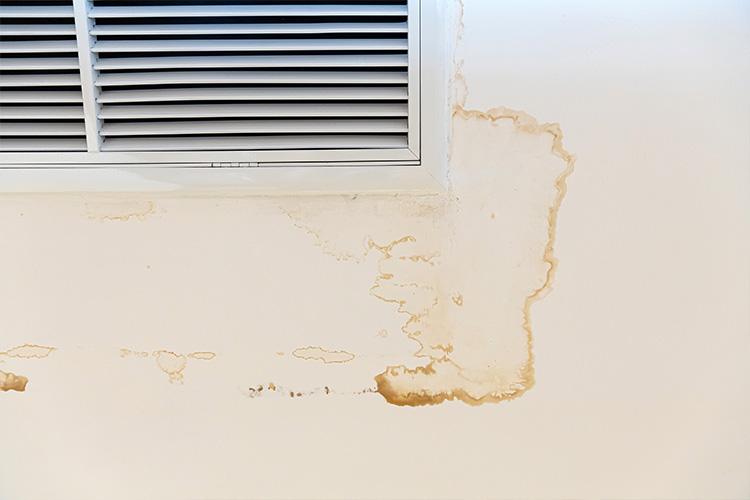
In this case, the homeowner found several clues: an overdue filter change, dark residue around one vent cover, and a condensate drain area that appeared dirty. None of these signs confirmed active mold on their own. They did, however, justify testing the system rather than spending money on broad, unfocused cleaning.
The First Step Was Testing, Not Guessing
The homeowner used an HVAC-specific mold test as an initial screen. Clean Vent Air Solutions is designed for this exact purpose: checking for possible mold contamination where A/C air travels, using a simple clip, combine, cover process.
A low-cost test is not a substitute for a full building assessment when there is extensive visible growth, known water damage, serious health concerns, or a vulnerable occupant. It is a practical first step when the question is narrower: could the A/C system be contributing to a mold problem?
The test indicated a concern worth investigating. Rather than masking the odor with sprays or scheduling a routine duct cleaning without evidence, the homeowner contacted a qualified HVAC and mold remediation professional.
HVAC Mold Remediation Case Study: Finding the Source
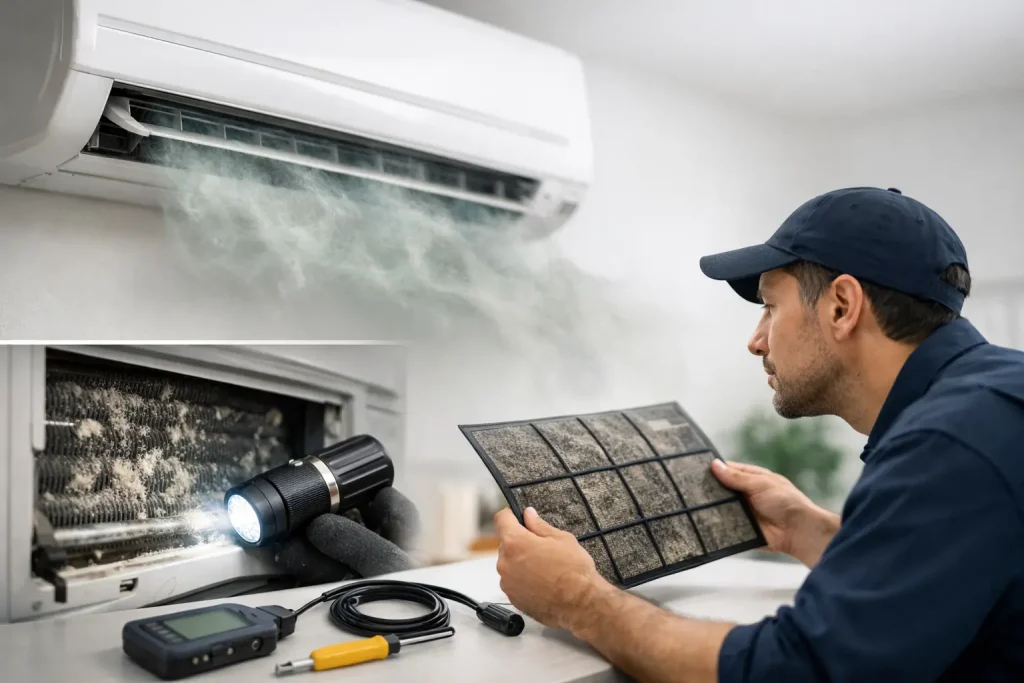
The professional inspection focused on the parts of the system most likely to hold moisture and debris. The technician examined the air handler, evaporator coil area, drain pan, condensate line, blower compartment, accessible ductwork, filter rack, and supply registers.
The inspection found that the condensate drain line was partially restricted. Water had not been draining as efficiently as it should, leaving recurring moisture near the air handler. The filter also did not fit tightly in its rack, allowing unfiltered air and dust to bypass the filter and collect inside the system.
The remediation team found microbial growth in the affected air handler area and on nearby components. They did not find widespread contamination throughout every duct run. That distinction changed the scope and cost of the job.
This is where homeowners can avoid a common mistake. “HVAC mold” does not automatically mean every inch of ductwork needs to be replaced or aggressively treated. The right remedy depends on where growth is present, what materials are affected, whether insulation or porous materials are contaminated, and whether the moisture problem has been corrected.
The Remediation Plan
Because the contamination was concentrated near the air handler, the work focused on source control and targeted cleaning. The contractor isolated the work area as needed, used appropriate protective practices, and cleaned the accessible affected components according to the condition of the system.
The drain line was cleared and tested. The drain pan was cleaned, and the technician verified that condensate could flow away from the unit correctly. The poorly fitting filter setup was corrected, and the homeowner switched to a properly sized filter with a replacement schedule that matched the household’s needs.
The evaporator coil was evaluated carefully. Coil cleaning can be valuable when buildup restricts airflow or holds debris, but it should be done correctly. Harsh methods or careless cleaning can damage sensitive fins and reduce system performance. In this case, the coil was cleaned by the HVAC professional as part of the targeted service plan.
The affected vent covers were removed and cleaned. Accessible supply areas near the original odor were addressed, but the contractor did not recommend unnecessary demolition or replacement of unaffected duct sections. That targeted approach mattered. It addressed the actual moisture-related problem without turning a focused remediation into an open-ended project.
What Did Not Work Before Remediation
Before testing, the homeowner had tried a few common fixes. The air filter was changed, scented products were used near vents, and visible dust around registers was wiped away. Those steps made the house smell better temporarily, but they did not remove the moisture issue near the air handler.
This is the trade-off with cosmetic fixes: they are inexpensive and easy, but they can delay the real answer. A clean vent cover does not tell you what is happening behind it. A stronger fragrance may cover an odor while the A/C continues to move air past a contaminated area.
Routine maintenance still matters. Filter changes, drain checks, and keeping supply and return vents open all support better HVAC performance. But when odor or irritation repeatedly tracks with the system running, maintenance should be paired with testing and inspection rather than used as a substitute for them.
How the Results Were Verified
After cleaning and repairs, the homeowner watched for the practical signs that had started the concern. The musty odor no longer appeared at startup. The system drained normally, airflow improved, and the family reported fewer odor-related concerns in the affected rooms.
Verification can look different from one property to another. In a limited case, a post-remediation visual inspection, moisture check, and normal system operation may be appropriate. When contamination was extensive, occupants have health sensitivities, or a property has experienced water damage, an independent post-remediation assessment may offer greater confidence.
The key point is that remediation should not end with “we sprayed something.” The moisture source must be fixed, affected areas must be properly addressed, and the system should be evaluated for conditions that could allow the problem to return.
Warning Signs Worth Taking Seriously
You do not need to wait for dramatic black spots to act. Mold concerns inside an HVAC system can begin with changes that are easy to dismiss. Pay attention if you notice a musty odor when the A/C starts, recurring residue around vents, visible spotting near the air handler, unexplained condensation, a clogged drain line, or discomfort that improves when you spend time away from the building.
Renters can document odors, dates, symptoms, and visible conditions and share them with property management. Small business owners should take employee complaints seriously, especially when multiple people notice the same odor in a particular area. Contractors can use targeted HVAC testing as a useful diagnostic step before recommending larger work.
If anyone in the home has severe respiratory symptoms, a compromised immune system, or a known mold-related medical condition, speak with a qualified healthcare professional and consider prompt professional evaluation of the property.
A Faster First Move When Your A/C Raises Questions
The homeowner in this case did not need to become a mold expert. They needed a clear first answer and a plan based on evidence. Testing narrowed the problem, inspection identified the moisture source, and targeted remediation addressed the conditions allowing contamination to persist.
If your air smells musty only when the system runs, do not keep covering it up. Test the HVAC system, protect the people who breathe that air, and use the result to decide whether professional remediation is the next right step.