
Lab Verified Mold Test vs Home Kit Compared
A musty smell when the AC turns on is not something most people can afford to ignore. Neither are allergy-like symptoms that flare up indoors, dark spots around registers, or dust that seems to return right after cleaning. When you are trying to protect the people who live or work in a space, the question often becomes: lab verified mold test vs home kit – which one gives you the answer you need?
The honest answer is that it depends on what you are testing, how quickly you need direction, and what you plan to do with the result. A home kit can be a practical first step, especially when the concern is inside an AC or air vent system. Lab analysis can add confirmation and detail when a result needs to be documented or when the situation appears more serious.
Lab Verified Mold Test vs Home Kit: The Real Difference
The biggest difference is not always accuracy. It is the process and the level of detail you receive.
A home mold kit is designed to help a homeowner, renter, property manager, or HVAC professional collect a sample without scheduling an inspection. Some kits use settle plates that collect whatever happens to land on them. Others are designed for a specific source, such as an air vent or AC system. That distinction matters because mold can be present in a building while the real concern is whether the HVAC system is circulating contamination through occupied rooms.
A lab verified mold test generally means the collected sample is sent to a laboratory for analysis. The lab may identify mold growth, document findings, and in some cases provide more specific information about the organisms detected. This can be helpful when you need a formal report for a landlord, insurer, remediation company, property record, or workplace discussion.
Neither option replaces common sense. If there is extensive visible growth, water damage, a sewage backup, or people in the building are having significant health symptoms, do not wait for a test to decide whether the situation deserves professional attention.
What a Home Mold Kit Can Tell You Quickly
A good home kit answers a focused question: Is there evidence of mold where I am concerned about it?
That makes DIY testing especially useful when warning signs point toward the air conditioning system. Mold can grow where moisture collects, including coils, drain pans, ductwork, insulation, and areas near registers. Each time the system runs, air may carry particles and odors through the home or business.
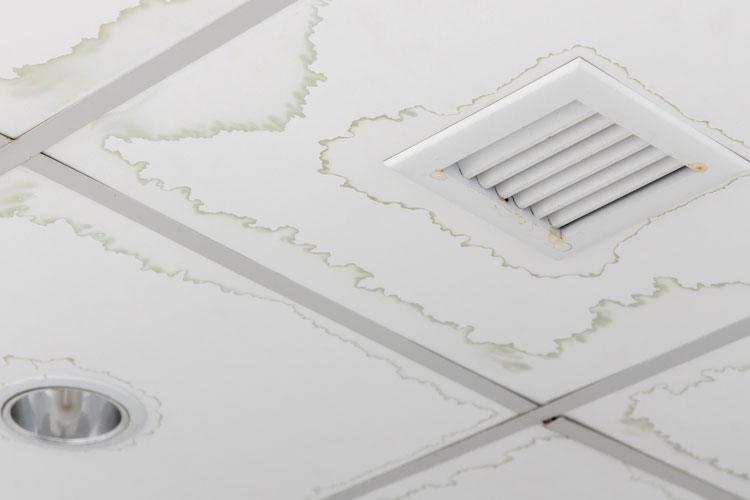
A targeted vent test helps you investigate that system directly rather than taking a general sample from the middle of a room. It is a sensible first move if you notice a musty odor only when the AC starts, see suspicious residue around vents, recently had an HVAC leak, or experience recurring irritation in air-conditioned spaces.
Speed is another advantage. A simple test process removes the biggest barrier for many people: waiting days for an appointment while the air system continues running. Clean Vent Air Solutions uses a straightforward clip, combine, cover process so customers can screen their AC vents without technical training and get results in 24 to 48 hours.
A home result can help you decide what happens next. If the test shows a concern, you can move forward with HVAC cleaning, further testing, or professional evaluation. If it does not, you still have useful information, although it is wise to keep investigating if odors, moisture, or symptoms continue.
Where Home Kits Have Limits
No mold test can tell the entire story by itself. This is particularly true of broad petri-dish kits that are left open in a room. Mold spores exist naturally indoors and outdoors, so a plate that grows something does not automatically prove a dangerous mold problem or identify its source.
Home kits also cannot assess hidden water damage behind walls, measure every area of a large duct system, or determine whether a building needs full remediation. A negative test does not guarantee that mold is absent everywhere. Sampling location, timing, moisture levels, cleaning history, and how the sample was collected can all affect the result.
That does not make DIY testing useless. It means the result should be interpreted in context. A positive vent-focused result paired with a musty AC odor and visible buildup is a stronger reason to act than a random room sample with no other signs. Testing works best when it supports what you are observing, not when it is treated as the only evidence that matters.
When Lab Verification Is Worth the Extra Step
Lab verification is often the better choice when you need more than a quick screening result. You may want a report because a landlord disputes a maintenance concern, a tenant needs written documentation, an insurance claim is involved, or a business owner must show that a concern was investigated.
It can also be valuable after a positive home result. Rather than guessing what the finding means, a lab report can provide added validation before you spend money on a larger service or discuss the issue with a contractor. For people managing a rental property, school, office, or small business, that documentation can bring clarity to a conversation that might otherwise become a disagreement.
A lab result still needs careful interpretation. Mold type alone does not measure a person’s exposure or diagnose a health condition. The condition of the building matters just as much: ongoing moisture, poor drainage, dirty coils, damaged duct insulation, and inadequate ventilation can all allow the problem to return after cleaning.
When a Professional Inspection Should Come First
There are situations where the choice is not really lab testing versus a home kit. It is time to call a qualified professional.
Start there if you have a large area of visible mold, repeated flooding, a roof or plumbing leak, damaged drywall, persistent moisture in walls or ceilings, or contamination following sewage or stormwater. Professional help is also appropriate if the affected area is difficult to access, if the HVAC system is visibly contaminated, or if occupants have serious respiratory conditions and symptoms worsen in the space.
For commercial properties, the threshold may be lower. An odor in a customer-facing business, a daycare, a medical office, or a shared workplace can affect more people and create higher stakes. Early testing can still be useful, but do not allow a low-cost test to delay action when the building conditions are clearly pointing to a larger moisture problem.
How to Choose the Right Test for Your Situation
Start with the question you actually need answered. If you suspect your central air system is spreading a musty odor or irritants, choose a test designed for vents or AC components. A general home kit may not point you to the source.
Then consider urgency. If you want a fast, affordable answer before calling an HVAC company or remediation service, a targeted DIY kit makes sense. If you need documentation, identification, or support for a property-related dispute, choose a kit with an available lab-report option or arrange laboratory testing from the start.
Finally, look at the full pattern. A test is one part of the picture alongside odors, visible signs, water history, HVAC performance, and how people feel in the space. Keep notes on when the smell appears and whether it changes when the system cycles. Those details can make an HVAC or mold professional far more effective if you need to bring one in.
What to Do After a Positive Result
A positive result is a signal to address the source, not just cover the odor. Avoid spraying fragrances or relying on air fresheners. They may mask the problem while moisture and contamination remain inside the system.
Check for obvious issues around the unit and vents, including condensation, standing water near the drain line, dirty filters, stains, and wet insulation. Replace filters according to the equipment manufacturer’s recommendations, but remember that a new filter will not clean contaminated coils or resolve a moisture problem deeper in the system.
If mold is suspected in the HVAC system, contact a qualified HVAC technician or remediation professional who can inspect the relevant components and recommend the appropriate cleaning or repair. Ask what they found, where moisture is coming from, and how they will prevent recurrence. The best outcome is not simply cleaner-looking vents. It is a dry, properly maintained system that supports healthier indoor air.
You do not need to wait until a small concern becomes a costly repair. When your AC smells wrong or your indoor air feels questionable, a focused test can give you a calm, practical place to begin – and help you take the next step with more confidence.