
Moisture Control Guide for Healthier Indoor Air
A musty smell that returns every time the AC turns on is not just a housekeeping problem. It can be a sign that moisture is lingering where you cannot see it, including inside ductwork, near cooling coils, or around air vents. This moisture control guide explains how to find the source, lower humidity, and know when your HVAC system needs a closer look.
Why Moisture Control Matters for Your Air
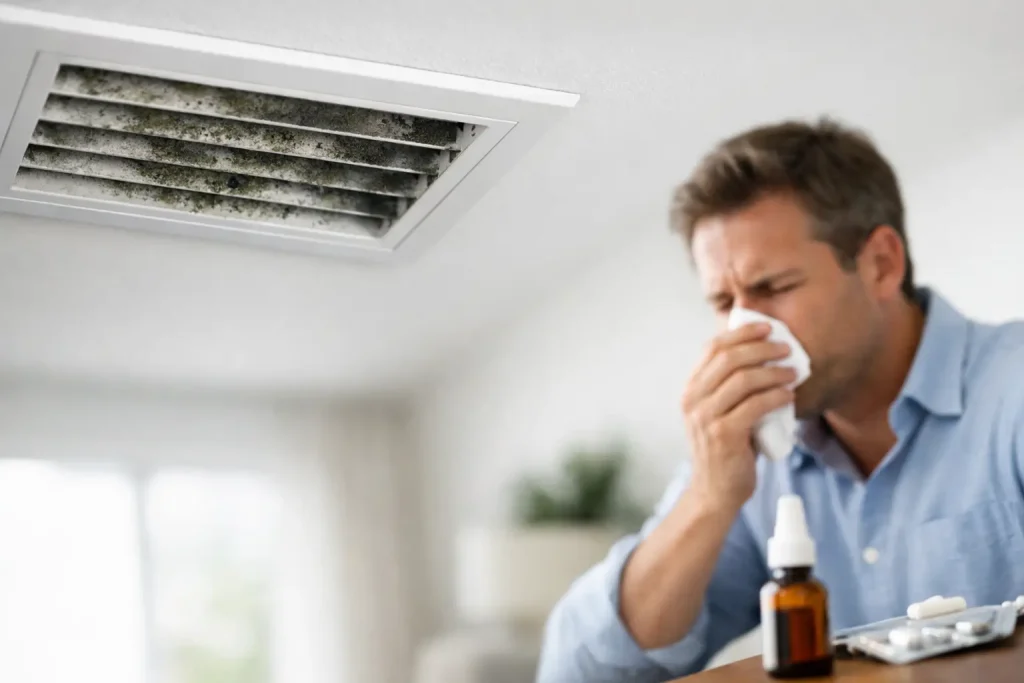
Mold needs moisture to grow. When indoor humidity stays high or water collects around building materials, mold can develop on walls, ceilings, insulation, carpeting, and inside parts of an air conditioning system. Once air moves through contaminated vents, particles and odors may circulate through the rooms where your family sleeps, works, and relaxes.
For some people, damp or moldy environments can trigger allergy-like symptoms such as coughing, sneezing, throat irritation, watery eyes, or congestion. People with asthma, respiratory conditions, weakened immune systems, or mold allergies may be more sensitive. Even when no one feels sick, ongoing moisture can damage drywall, flooring, furniture, and the HVAC equipment you depend on for comfort.
The goal is not to make your home feel dry and uncomfortable. It is to keep moisture at a healthy, controlled level so mold has fewer opportunities to take hold.
The Humidity Range to Aim For
Most homes feel comfortable when relative humidity stays between 30% and 50%. Above 60%, indoor air is often damp enough to support mold growth, dust mites, and that sticky, clammy feeling. Below 30%, air can feel overly dry and may irritate your nose, throat, skin, and eyes.
A simple digital hygrometer gives you a fast read on humidity in bedrooms, basements, bathrooms, and other problem areas. Check more than one room. A home can have normal humidity in the living room while a basement, laundry room, or back bedroom stays damp because of limited airflow or a hidden leak.
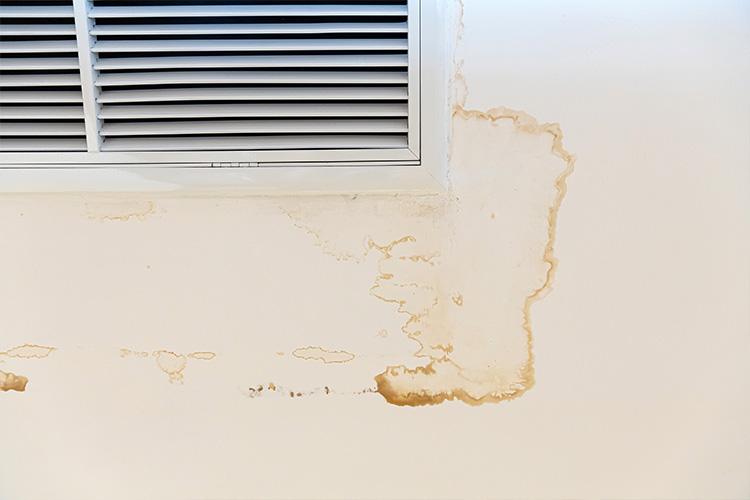
Humidity readings are helpful, but they are not the whole story. A room can have acceptable humidity and still have a wet pipe, roof leak, overflowing drain pan, or condensation problem behind a wall. Pay attention to odors, stains, peeling paint, warped materials, and recurring dampness as well.
Where Excess Moisture Usually Starts
Moisture problems often come from ordinary household activities combined with poor ventilation. Long hot showers, cooking without an exhaust fan, drying clothes indoors, and running a humidifier too often can all raise indoor humidity. In a tightly sealed home, that moisture has fewer ways to escape.
Water intrusion is another major concern. Check beneath sinks, around toilets, behind refrigerators, near water heaters, and around windows. A slow leak may not create a dramatic puddle, but it can keep cabinetry, drywall, or flooring damp for weeks.
Your air conditioner also deserves attention. Central AC removes humidity as it cools the air, but it creates condensation in the process. That water should drain away properly. If the condensate line clogs, the drain pan overflows, the system runs too briefly, or airflow is restricted, moisture can remain around coils and nearby components.
Basements and crawl spaces are especially vulnerable because they are cooler, darker, and often less ventilated. If you notice a persistent earthy or musty odor downstairs, do not cover it with fragrance. Find out why the area is staying damp.
Moisture Control Guide: Start With These Practical Steps
Begin with the simplest fixes, then move toward more involved repairs if the problem continues. Run bathroom exhaust fans during showers and for at least 20 minutes afterward. Use the kitchen exhaust fan while cooking, especially when boiling water. Make sure those fans actually vent outdoors rather than into an attic or enclosed space.
Use your air conditioner consistently during humid weather, but avoid setting the thermostat so low that the system constantly turns on and off. Short cycling can reduce how effectively an AC system removes moisture. If your home stays humid while the AC runs, the unit may be oversized, undersized, poorly maintained, or dealing with an airflow or drainage issue. An HVAC professional can help identify which problem applies.
A dehumidifier can be a practical solution for a basement, laundry room, or other isolated damp area. Choose a unit sized for the space and empty the reservoir regularly, or use a drain connection if available. Keep doors and windows closed in the area while it runs so outdoor humidity does not keep pouring in.
For visible water, speed matters. Dry wet carpeting, towels, boxes, and other materials as quickly as possible. Address the water source first, then use fans, ventilation, and dehumidification to dry the area. Porous materials that remain wet for more than a day or two may be difficult to fully clean and could require removal, depending on the extent of contamination.
Do Not Overlook Your HVAC System
Your HVAC system may be out of sight, but it affects every room connected to it. Dirty filters, clogged condensate drains, poorly insulated ducts, and moisture on evaporator coils can create conditions that support mold growth. A musty odor that appears mainly when heating or cooling starts is a warning sign worth taking seriously.
Replace filters on the schedule recommended for your system and household conditions. Homes with pets, high dust levels, allergies, or frequent HVAC use may need more frequent changes. A filter does not solve a moisture problem on its own, but it helps maintain airflow and keeps the system from working harder than necessary.
Look around supply and return vents for discoloration, dust buildup that quickly returns, condensation, or unusual odors. Do not assume every dark spot is mold, and do not disturb suspicious material with aggressive brushing or spraying. That can spread particles into the air and make a small issue harder to evaluate.
If you suspect contamination inside vents or near AC components, testing can give you a useful first answer before you commit to expensive cleaning or remediation. Clean Vent Air Solutions offers a simple DIY AC mold test designed specifically for air vents and AC systems. The process is straightforward: clip, combine, and cover, with results available in 24 to 48 hours.
When a Moisture Problem Needs Faster Action
Some situations call for more than routine maintenance. Act quickly if you see water actively leaking, a ceiling bulging, widespread visible mold, repeated AC drain pan overflow, or a strong musty odor that will not go away after cleaning and drying. These signs can point to a hidden water source or contamination beyond the surface.
Professional evaluation is also a wise next step when mold covers a large area, moisture has affected HVAC components, or someone in the building has significant respiratory sensitivity. Renters should document the issue with photos, dates, and humidity readings, then notify the property manager or landlord in writing. Small business operators should address moisture promptly to protect employees, customers, inventory, and the building itself.
Be cautious with quick-fix products. Air fresheners can hide odors without removing the cause. Bleach is not appropriate for every surface, especially porous materials, and it does not repair the moisture condition that allowed mold to grow. The lasting solution is always the same: stop the water, dry the area, and verify that the air system is not continuing to spread the problem.
Make Moisture Checks Part of Home Care
You do not need to inspect every corner of your property every day. A few regular habits can prevent a small humidity issue from becoming a costly repair. Check under sinks monthly, look at the AC drain area during cooling season, use exhaust fans consistently, and pay attention when a room begins to smell different.
After heavy rain, plumbing work, appliance leaks, or flooding, inspect nearby walls, flooring, and vents. If you catch dampness early, you can often dry it before mold has time to establish itself. If odors or symptoms persist, treat that as useful information, not something to ignore.
Clean air starts with controlling the moisture that threatens it. Trust what you notice in your space, address water quickly, and get a clear answer when your AC system may be part of the problem.