
Property Manager Mold Documentation That Holds Up
A tenant reports a musty smell when the air conditioner turns on. Two weeks later, they mention coughing, irritated eyes, or dark spots near a supply vent. At that point, property manager mold documentation is not busywork. It is the record that helps you respond quickly, protect the people in the building, and show exactly what was reported, inspected, tested, and corrected.
Mold concerns can become expensive when details are missing. A clear paper trail helps separate a new moisture event from a recurring issue, keeps vendors aligned, and gives residents confidence that their concern is being taken seriously. It also helps you make better decisions before a small HVAC or moisture issue turns into a larger contamination problem.
Why Property Manager Mold Documentation Matters
Mold needs moisture to grow, but the source is not always obvious. It may be a plumbing leak, condensation around a duct, a poorly draining AC unit, elevated indoor humidity, storm damage, or moisture trapped behind a wall. A musty odor may point to contamination in the HVAC system, but it is not proof by itself.
Documentation gives you a timeline. It shows when the resident first noticed the concern, what conditions existed in the unit, what you observed, and what actions followed. That timeline matters for resident health, property preservation, vendor coordination, and any later dispute about the response.
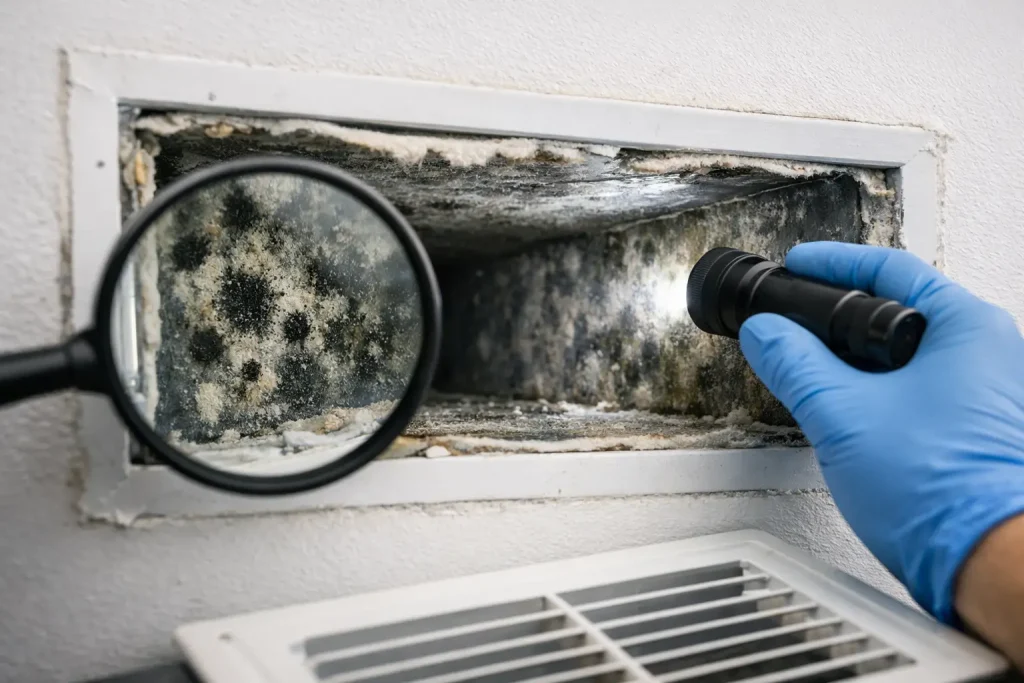
Good records also prevent a common mistake: treating visible mold as the only issue. Mold can exist in areas residents cannot easily see, including air vents, return grilles, drain pans, evaporator coils, and ductwork. If the AC system is moving contaminated air through a unit, cleaning a surface without checking the system may leave the underlying concern unresolved.
Start the File the Day a Concern Is Reported
The first report should create a case file, even if the complaint seems minor. Do not wait for a resident to send photos or for maintenance to confirm visible growth. Record the report in writing and use a consistent format for every property.
Include the date and time of the complaint, the unit number, the resident’s contact information, and the exact concern in the resident’s own words. “Musty smell from vents after AC runs” is more useful than simply writing “mold complaint.” Note whether the resident mentioned water intrusion, an overflowing drain, recent repairs, a humidity concern, visible discoloration, or physical symptoms.
Avoid documenting a medical diagnosis. You can record that a resident reported coughing or allergy-like irritation, but do not conclude that mold caused it. Your role is to take the report seriously, investigate the property condition, and communicate the next steps.
A quick written acknowledgment helps. Tell the resident when someone will inspect the area, what access may be needed, and what they should do if there is an active leak or worsening water damage. Clear communication is part of the documentation too.
Build a Record of What You Observed
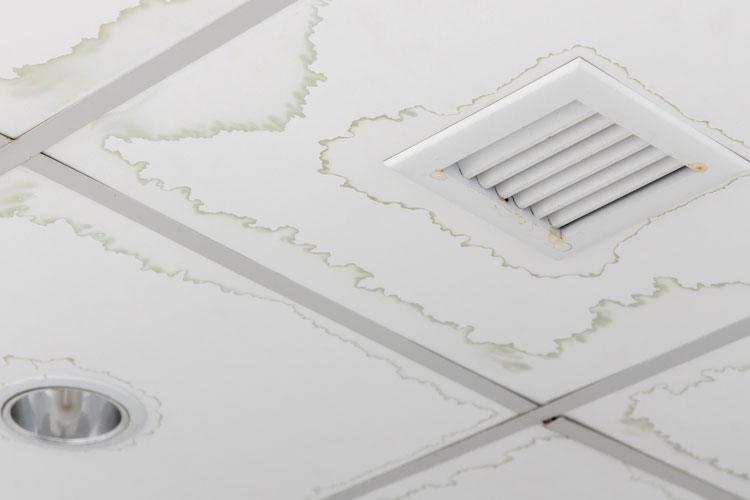
During the inspection, document facts rather than assumptions. Take clear, dated photos and short videos of the reported area before anything is cleaned, moved, or repaired. Photograph visible staining, moisture damage, condensation, damaged drywall, ceiling discoloration, vent covers, drain lines, and any area with a musty odor.
Your inspection notes should include the room, the weather or recent rainfall if relevant, whether the AC was operating, and whether you observed an odor. If you use a moisture meter or humidity monitor, record the readings, location, date, and time. A single humidity reading is only a snapshot, but repeated readings can reveal a pattern.
For HVAC-related concerns, note the condition of supply and return vents, the air filter, visible dust buildup, standing water near the unit, drain pan condition, condensate drainage, and any signs of moisture around the air handler. Do not open or disturb equipment beyond your training or access authority. Document what you can see and bring in a qualified HVAC professional when the system needs service.
Photos should be useful, not vague. Take one wide photo to establish the location, then closer photos of the condition itself. If a stain is near a vent, capture both the stain and the vent in the same sequence. This makes the record easier to understand later.
Document Testing Without Overpromising
Testing can be a practical first step when mold is suspected in an AC system, especially when there is a recurring odor, unexplained irritation, or visible debris around vents. However, a test result should be documented as one part of the investigation, not as a substitute for finding and correcting moisture.
Record the type of test used, the date collected, the exact collection location, who collected it, and any relevant conditions, such as whether the system had recently been running. Keep the original instructions, photos of the collection process if appropriate, and the result or lab report in the case file.
A simple HVAC-focused test can help property managers decide whether a more detailed inspection or professional remediation assessment is warranted. For example, Clean Vent Air Solutions offers a low-cost AC mold test designed to check for potential contamination in the system circulating air through a home or business. A quick result can support faster decision-making, but it should never be used to dismiss an active leak, visible growth, or serious resident concern.
If testing indicates possible contamination, document your follow-up plan. If it does not, continue investigating if moisture, odors, or visible conditions remain. Mold-related problems are not always resolved by one test, one photo, or one maintenance visit.
Track Every Action Taken
The action log is often the most valuable part of a mold file. It should show exactly what happened after the initial report and when it happened. Keep work orders, invoices, contractor reports, inspection notes, emails, text messages, and resident notices together.
Your record should show when maintenance inspected the unit, what they found, what repairs were completed, and whether the source of moisture was corrected. If an HVAC contractor cleaned a drain line, repaired a condensate leak, replaced insulation, or serviced an air handler, save the service report. If a plumber repaired a leak, attach that report as well.
When cleaning or remediation is needed, document the scope of work before it begins. Note the affected materials, the containment approach if applicable, the contractor performing the work, and whether damaged porous materials were removed. Keep before-and-after photos. If the work requires residents to avoid an area temporarily or relocate, preserve those communications and any accommodation records.
Do not rely on a verbal “it was cleaned.” Ask vendors to provide written findings and a clear description of completed work. If their report uses technical terms you do not understand, request clarification before closing the file.
Communicate Clearly With Residents
Residents do not need a technical lecture. They need to know their concern was received, what is being done, and what they can expect next. Document those updates in writing, especially when access appointments, repairs, cleaning, or follow-up inspections are scheduled.
Be specific without making promises you cannot support. Instead of saying, “There is no mold,” say, “We inspected the reported area on [date], completed the following repair, and will return to confirm that the moisture source has been addressed.” If testing or a vendor review is pending, say that plainly.
It also helps to give residents practical instructions. Ask them to report new leaks quickly, avoid blocking supply and return vents, replace or report damaged filters when applicable, and use bathroom exhaust fans. If there is visible growth or water damage, tell them not to scrub or disturb the affected area before it can be inspected.
Know When to Escalate
Some situations call for more than routine maintenance. Escalate when there is extensive visible growth, repeated water intrusion, contaminated porous materials, sewage or floodwater, a persistent odor after repairs, or concerns involving multiple units. The same applies when an HVAC system appears to be spreading odors or particles across shared spaces.
Local and state requirements can vary, particularly around disclosure, remediation practices, habitability, and licensed professionals. Your documentation should support compliance, but it does not replace legal advice, environmental assessment, or qualified remediation guidance when the situation warrants it.
A file can be closed only after the moisture source has been addressed, the affected area has been evaluated, repairs or cleaning are documented, and the resident has received a final update. Keep the records organized by unit and incident, not buried across separate email threads.
The fastest way to protect a property is to treat the first musty odor or moisture complaint as a signal to investigate. A timely note, a few clear photos, and a focused check of the AC system can turn uncertainty into a practical next step before the problem has more time to spread.