
How to Reduce HVAC Humidity Before Mold Grows
A house can feel cool and still have a moisture problem. If the air feels clammy, towels take too long to dry, windows sweat, or a musty smell appears when the AC turns on, it is time to reduce HVAC humidity before damp conditions create a larger mold concern.
Your air conditioner does more than lower the temperature. As warm indoor air passes over the cold evaporator coil, moisture should condense and drain away. When that process is interrupted by poor airflow, incorrect settings, a blocked drain, duct leaks, or equipment issues, moisture can remain inside the home and around the HVAC system.
Why High HVAC Humidity Deserves Attention
Indoor humidity affects comfort, but it can also affect your health and property. Moisture supports mold growth on surfaces, inside insulation, around drain pans, and potentially within areas of an AC system that are difficult to see. Mold can create musty odors and may contribute to allergy-like symptoms, coughing, throat irritation, or worsened asthma for sensitive people.
Humidity is not always obvious. You may not see water dripping from a vent or a dark spot on a wall. Sometimes the first sign is that the home feels sticky even though the thermostat says the temperature is comfortable. In a business, employees or customers may notice a stale smell, persistent congestion, or an uncomfortable difference between rooms.
A basic indoor hygrometer can help remove the guesswork. Many homes do best between 30% and 50% relative humidity. Levels that regularly stay above 60% create more favorable conditions for mold, dust mites, and moisture damage. The right target can vary slightly by climate and season, but consistently high readings should not be ignored.
How to Reduce HVAC Humidity at Home
Humidity control usually starts with simple checks, then moves to HVAC service if the problem continues. Small changes can make a real difference, especially when the AC system is otherwise working properly.
Set the Thermostat Fan to AUTO
Check whether your thermostat fan is set to AUTO or ON. In most homes, AUTO is the better choice for humidity control. When the system reaches the set temperature, the blower turns off along with the cooling cycle, allowing collected water on the indoor coil to drain properly.
With the fan set to ON, the blower may continue running after the cooling cycle stops. That can push some moisture from the coil back into the air. Continuous fan operation may improve air circulation, but it can work against you in a humid home. If you need continuous air movement, ask an HVAC professional whether your system has variable-speed settings designed to manage moisture.
Replace a Dirty Air Filter
A clogged filter restricts airflow across the evaporator coil. Reduced airflow can make the AC less effective, contribute to coil freezing, and interfere with normal dehumidification. Check your filter monthly during heavy cooling season and replace it according to its condition and the manufacturer’s guidance.
Do not assume the highest-rated filter is always the best choice. Very dense filters can also restrict airflow if your system was not designed for them. Use a filter rating appropriate for your equipment, or ask a qualified technician for a recommendation. The goal is cleaner airflow without straining the system.
Keep Cooling Settings Steady
Turning the thermostat far down may make a room feel colder, but it does not always solve humidity. In fact, frequent big temperature swings can lead to short, inefficient cooling cycles. In hot, humid regions, a steady setting in the low-to-mid 70s often gives the system more consistent time to remove moisture.
The exception is when nobody is home for extended periods. Raising the temperature slightly can save energy, but avoid letting the house get excessively warm and humid. A smart thermostat with humidity monitoring can be useful when you want to balance comfort, energy use, and moisture control.
Check the Condensate Drain and Drain Pan
Every time your AC removes humidity, that water has to go somewhere. It should flow through the condensate drain line and out of the home or into an approved drain. A clogged line can cause water to back up into the drain pan, leak around the air handler, or create damp conditions where mold can grow.
Look for standing water, water stains, a full secondary pan, or a float switch that repeatedly shuts off the system. Do not pour harsh chemicals into HVAC components unless your manufacturer or technician recommends it. If the drain is blocked or you see water around the air handler, schedule service promptly. Water damage can spread faster than most homeowners expect.
Stop Humid Air From Entering Through Ducts
Leaky return ducts can pull hot, humid air from an attic, crawlspace, garage, or wall cavity into the HVAC system. That extra moisture makes the AC work harder and can leave certain rooms feeling damp no matter how low you set the thermostat.
Duct leaks, missing insulation, disconnected flex ducts, and damaged return grilles are common issues. You may notice dusty air, uneven temperatures, high utility bills, or a musty odor that becomes stronger when the blower runs. A professional duct inspection can identify leaks and insulation problems that are not visible from the living space.
Reduce Moisture Sources Inside the Home
Your HVAC system cannot solve every moisture source on its own. Long showers, unvented cooking, indoor clothes drying, wet entry rugs, aquarium evaporation, and improperly vented dryers can all add water vapor to the air.
Use bathroom exhaust fans during showers and for at least 20 minutes afterward. Run the kitchen exhaust fan when boiling water or cooking with steam. Make sure the dryer vents outdoors, not into an attic, garage, crawlspace, or laundry room. These habits are simple, but they reduce the amount of moisture your AC has to remove.
Consider a Dehumidifier When the Climate Demands It
In very humid climates, during rainy stretches, or in basements and crawlspaces, a portable dehumidifier can provide needed support. Choose a unit sized for the room and empty the tank regularly or use a safe drain connection if available.
For whole-home humidity problems, a properly installed whole-house dehumidifier may be a better option. It can work alongside the HVAC system without requiring you to manage multiple portable units. This is an investment, so it makes sense after an HVAC professional confirms that sizing, drainage, airflow, and ductwork are not the primary issue.
When Your AC May Need Professional Service
Some humidity issues point to a maintenance or equipment problem that a thermostat adjustment cannot fix. An AC that is oversized for the home may cool the air too quickly and shut off before it removes enough moisture. A system that is undersized, low on refrigerant, dirty, poorly maintained, or affected by blower problems may also struggle to control humidity.
Call a qualified HVAC professional if humidity remains high after basic changes, the system short-cycles, ice appears on refrigerant lines, water leaks near the indoor unit, or rooms stay damp while the AC runs. Ask the technician to inspect the evaporator coil, refrigerant charge, blower operation, drain system, duct leakage, and system sizing. These details matter because the correct fix depends on the cause.
High Humidity Can Be a Mold Warning Sign
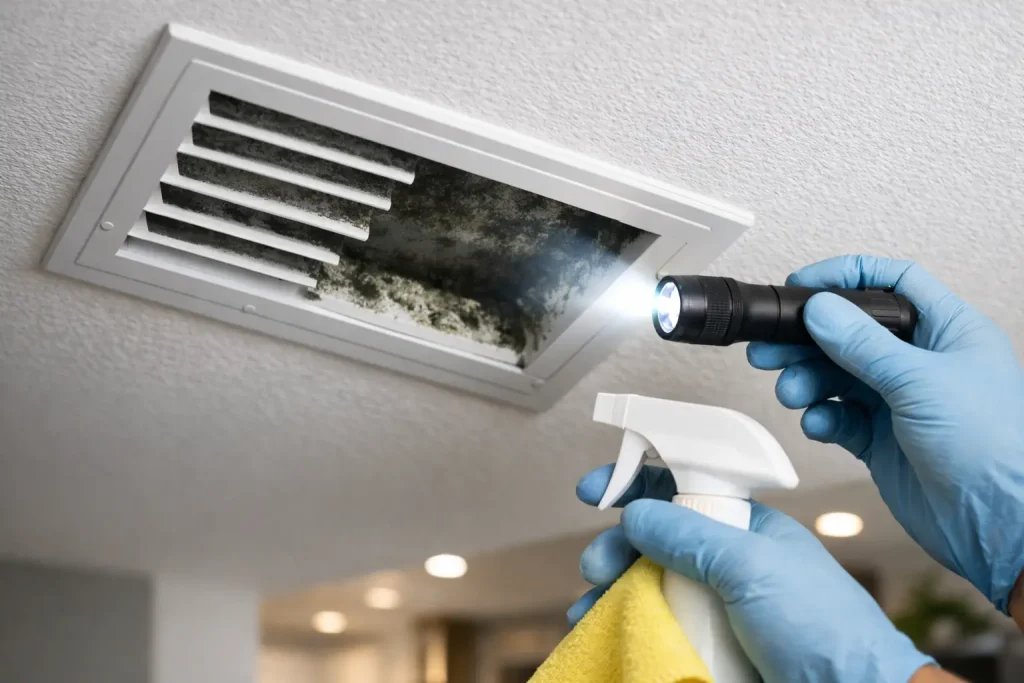
Reducing humidity helps prevent future mold growth, but it does not confirm whether mold is already present. Pay close attention if high humidity comes with a persistent musty odor, visible spots around vents, unexplained respiratory irritation, repeated allergy-like symptoms indoors, or water stains near the air handler.
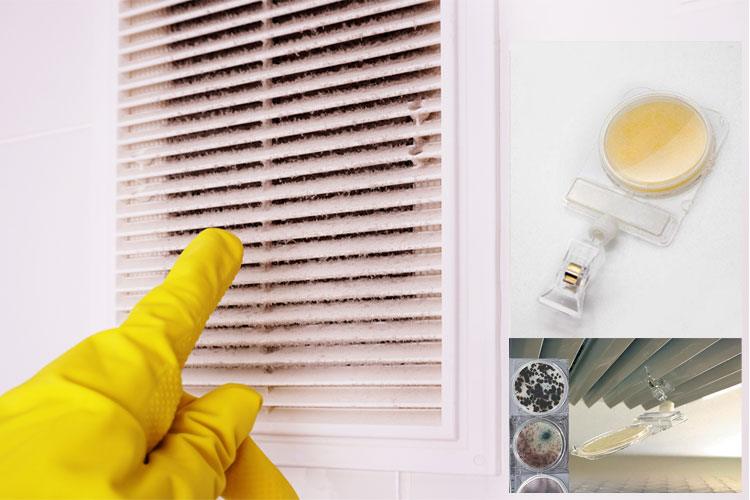
If you suspect contamination inside the system, testing provides a practical first answer before you commit to expensive cleaning or remediation. Clean Vent Air Solutions offers a simple DIY AC mold test designed for the air circulating through vents and central AC systems. A clear result can help you decide whether your next call should be routine HVAC maintenance, deeper inspection, or professional mold remediation.
Humidity problems are easier to handle when you act early. Check your indoor humidity this week, listen for changes in how your system runs, and take musty air seriously. A dry, properly maintained HVAC system gives your family, tenants, employees, or customers a better chance to breathe comfortably and confidently.