
How to Test HVAC Humidity Before Mold Spreads
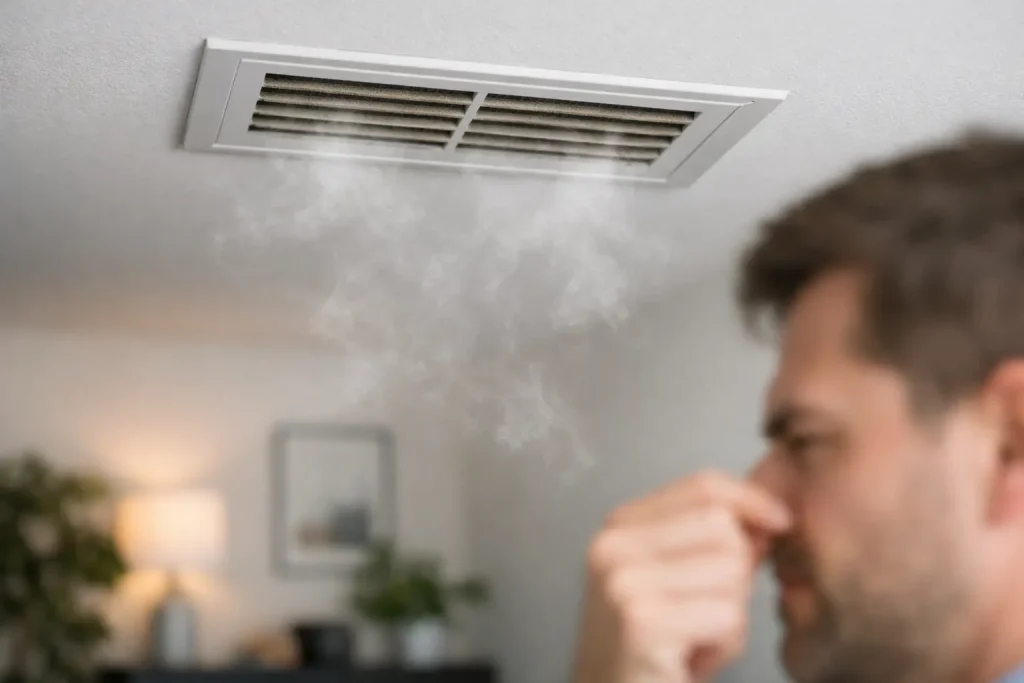
A cool home can still have a moisture problem. If your AC runs constantly, rooms feel clammy, windows collect condensation, or a musty smell appears when the system starts, it is time to test HVAC humidity. High humidity gives mold the moisture it needs to grow, including inside the ductwork and air handler that circulate air through your space.
Humidity is not just a comfort issue. When indoor moisture stays elevated for days or weeks, it can affect furnishings, walls, insulation, and the air your family or employees breathe. A quick humidity check can help you catch the conditions that support mold before they become a larger cleanup and repair problem.
What HVAC Humidity Should Be Indoors?
For most homes and small businesses, indoor relative humidity should generally stay between 30% and 50%. The ideal number depends on your climate, the season, insulation, and how often people enter and leave the building. In humid parts of the United States, staying close to 50% can be a realistic target during hot weather.
Consistent readings above 60% deserve attention. At that level, your home may feel sticky even when the thermostat is set low, and mold-friendly conditions become more likely. Very low humidity can cause its own discomfort, such as dry skin and irritated sinuses, but high humidity is the more urgent concern when you are watching for moisture and mold.
One high reading after a long shower or a rainy day does not automatically mean your HVAC system is failing. The concern is a pattern: humidity that remains high after the AC has had time to run, or readings that are much higher in certain rooms than in the rest of the building.
How to Test HVAC Humidity at Home or Work
The simplest tool is a digital hygrometer. It measures relative humidity and temperature, and many inexpensive models update the reading throughout the day. Place it in a central living or working area, away from direct sunlight, supply vents, open windows, kitchens, bathrooms, and humidifiers. Those locations can distort the result.
Give the device at least 30 minutes to adjust before relying on its reading. For a clearer picture, check it at different times of day for several days. Write down the humidity level when the AC is running and when it is off. If your system has a smart thermostat with humidity data, compare that reading with a separate hygrometer. A second device can help confirm whether the number is accurate.
Testing one central room is a good start, but problem areas often hide elsewhere. Check the room that feels most humid, any basement or lower level, rooms near bathrooms or laundry areas, and spaces where occupants notice odors or allergy-like symptoms. A closed guest room, storage room, or back office may have poor airflow and higher humidity than the rest of the building.
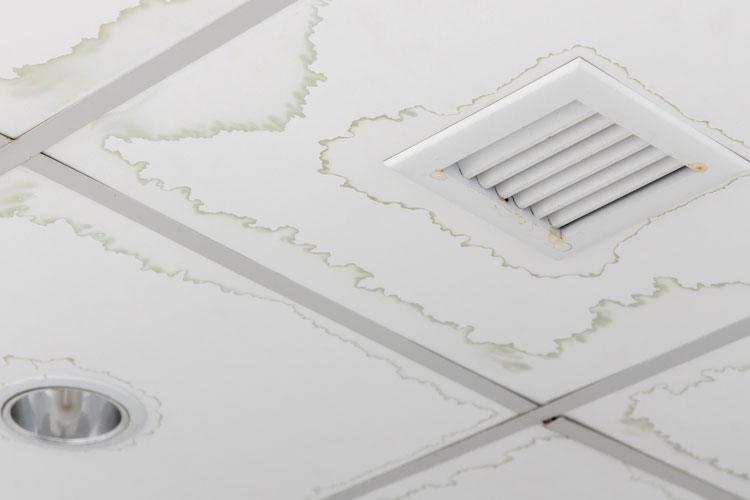
You can also look for physical clues while you test. Condensation on windows, damp spots near vents, peeling paint, warped wood, recurring mildew in bathrooms, and a musty odor when the AC turns on all point to excess moisture. These signs do not prove mold is growing in the HVAC system, but they are good reasons to investigate promptly.
Check humidity during an AC cycle
Your air conditioner does more than cool the air. As warm indoor air moves across the system’s cold evaporator coil, moisture should condense and drain away. That is why an operating AC system can reduce indoor humidity.
On a warm day, check the humidity before the cooling cycle begins, then check again after the system has run for 30 to 60 minutes. A properly sized, properly operating system should generally bring moisture down over time. If humidity stays above 60% while the AC runs, rises after the cycle ends, or never seems to improve, the system may not be removing enough moisture.
Short cycling can be part of the problem. An oversized AC may cool a space so quickly that it shuts off before it has enough time to pull moisture from the air. On the other hand, an undersized system, dirty coil, clogged condensate drain, refrigerant issue, duct leak, or airflow problem can also leave a building humid. Humidity readings tell you there is a problem to solve, not exactly which repair is needed.
Why High HVAC Humidity Can Lead to Mold
Mold needs moisture, a food source, and a place to grow. HVAC systems and nearby building materials can provide several of those ingredients. Dust and organic debris can collect on components, while condensation around coils, drain pans, insulation, or poorly sealed ducts can create the moisture mold needs.
That does not mean every humid house has mold in the vents. It does mean prolonged humidity raises the risk, especially if there is a water leak, a dirty drain pan, standing water, visible discoloration, or a persistent odor. Because the HVAC system moves air from room to room, contamination inside it can affect more than one area.
Pay close attention if people in the building experience recurring coughing, sneezing, throat irritation, watery eyes, headaches, or symptoms that seem worse indoors. These symptoms can have many causes, including pollen, dust, pets, and other air quality issues. Still, when they appear alongside humidity and musty odors, testing is a sensible next step.
What to Do When Humidity Is Too High
Start with the practical basics. Replace a clogged HVAC filter, use bathroom and kitchen exhaust fans, and make sure dryer vents discharge outdoors. Keep windows and doors closed while the AC is operating in humid weather. If you use a portable humidifier, turn it off until you know your current humidity level.
Next, inspect what you can safely see. Look around the indoor air handler for water, check whether the condensate drain line is flowing properly, and watch for rust, wet insulation, or stains around the unit. Do not reach into equipment or remove panels you are not trained to handle. A licensed HVAC professional can inspect drainage, coil condition, airflow, duct leakage, and system sizing when the problem persists.
A portable dehumidifier can lower moisture in a problem room, but it is not always a full solution. It can be helpful during a temporary moisture event or in a basement. If the central AC cannot control humidity throughout the property, the underlying HVAC or building-envelope issue still needs attention.
When Humidity Testing Should Include Mold Testing
A hygrometer answers one question: Is the air too moist? It cannot tell you whether mold is present in the AC system. If you have persistent high humidity plus a musty smell, visible spotting near vents, unexplained irritation, or water around HVAC components, add mold testing to your next step.
A targeted AC mold test can help you check the system without starting with an expensive whole-property inspection. Clean Vent Air Solutions offers a simple DIY option built around three steps: clip, combine, and cover. Results are available within 24 to 48 hours, helping you decide whether it is time to contact an HVAC technician or mold remediation professional.
If you see extensive visible mold, experience a major water event, or have vulnerable occupants such as infants, older adults, or people with respiratory conditions, do not wait for the problem to spread. Address active moisture immediately and seek qualified professional guidance for significant contamination.
Your hygrometer does not need to show a perfect number every hour. What matters is recognizing the warning pattern early: moisture that lingers, odors that return, and an AC system that cools without making the space feel dry. Testing now gives you a clearer path to protect the air in the places where people live, sleep, and work.