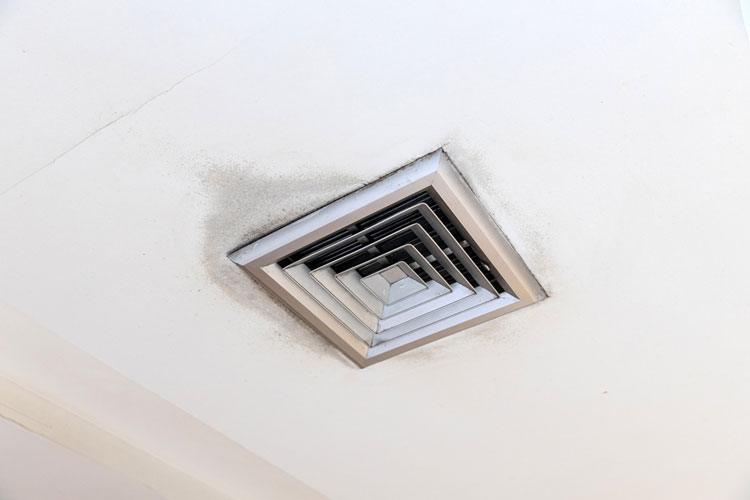

Top Causes of Mold in HVAC Systems at Home
A musty smell that gets stronger when the air conditioner turns on is not just an inconvenience. It can be a warning that moisture and organic buildup are collecting somewhere inside the system that circulates air through every room. Understanding the top causes of mold in HVAC systems can help you catch a problem before it becomes a larger health, comfort, and property concern.
Mold needs three basic things to grow: moisture, a food source, and time. An HVAC system can provide all three when condensation, dust, and poor airflow come together. The good news is that many causes are preventable, and early detection gives you a clearer path to the right next step.
Why HVAC Mold Can Spread So Easily
Your air conditioner does more than cool the air. It pulls warm indoor air across cold evaporator coils, removes humidity, and sends conditioned air back through ducts and vents. That normal cooling process creates condensation.
When the moisture drains correctly and the system stays clean, there is usually little reason for concern. But when water lingers, dust accumulates, or the system cannot move air properly, damp surfaces can become a place where mold grows. Each time the system runs, spores and musty odors may be carried into occupied rooms.
People often notice the problem first through recurring allergy-like symptoms, throat irritation, headaches, coughing, unexplained congestion, or a smell that seems to disappear when the AC is off. Those signs do not prove mold on their own, but they are worth taking seriously, especially when several people in the same home or workplace are affected.
Top Causes of Mold in HVAC Systems
1. Excess Condensation Around the Evaporator Coil
The evaporator coil is one of the most common areas for moisture-related mold growth. As warm air passes over the cold coil, water vapor condenses into liquid water. That water should flow into a drain pan and leave through a condensate drain line.
If the coil is dirty, airflow is restricted, or the system runs for long periods in humid weather, condensation can build up faster than it drains. Dust on the coil can also act as a food source. The combination of moisture and debris creates conditions mold can use.
A properly maintained coil can still become damp during normal operation. The concern begins when it stays wet for too long or repeatedly develops buildup.
2. A Clogged Condensate Drain Line or Drain Pan
A blocked drain line can turn a small moisture issue into a much larger one. Algae, dust, slime, rust, or debris can prevent condensation from draining away. Water may back up into the drain pan, overflow near the indoor unit, or remain standing where mold can grow.
Warning signs include water around the air handler, staining near the ceiling below an attic unit, a damp closet around the system, or the AC shutting off unexpectedly because of a safety float switch. Do not ignore standing water. It can affect building materials as well as the HVAC system itself.
3. High Indoor Humidity
Air conditioning helps reduce humidity, but it cannot solve every moisture problem by itself. In many homes, indoor humidity rises because of leaky windows, frequent showers, unvented bathrooms, cooking, crawl space moisture, or an oversized AC unit that cools rooms too quickly without running long enough to remove humidity.
When indoor humidity remains high, vents, ducts, registers, and nearby surfaces may develop condensation. Mold does not need a visible leak to begin growing. Persistent damp air can be enough.
For many homes, keeping indoor relative humidity roughly between 30% and 50% is a practical target. The ideal level depends on climate and the home, but consistently humid rooms deserve attention.
4. Dirty Air Filters and Restricted Airflow
A neglected air filter does more than make an HVAC system work harder. It can reduce airflow across the evaporator coil, allowing the coil to become colder and stay wetter. In some cases, restricted airflow can contribute to coil freezing, followed by excess water when the ice melts.
Filters also collect dust, pet dander, and other particles that can feed mold when they become damp. A heavily loaded filter is not necessarily moldy, but it signals that the system may be carrying more debris than it should.
Check filters regularly and replace them according to the manufacturer’s guidance, your household conditions, and the filter type. Homes with pets, smokers, ongoing renovations, or high dust levels may need more frequent changes.
5. Dirty Ductwork and Vent Covers
Ducts naturally collect some dust over time. The issue becomes more serious when dust mixes with humidity, condensation, water intrusion, or a past leak. Insulated duct material can be especially difficult to dry thoroughly if it gets wet.
Vent covers can also trap debris and moisture. Dark spots around a register may be mold, but they may also be ordinary dust, soot, or staining from air movement. Either way, a musty odor, recurring moisture, or visible spotting near multiple vents calls for closer investigation rather than guesswork.
Cleaning a visible vent cover may improve its appearance, but it does not confirm what is happening deeper in the system. If the source is inside the duct or air handler, the problem can return.
6. Air Leaks in Ducts or Around the System
Leaky ducts can pull humid, dusty air from attics, crawl spaces, garages, or wall cavities into the HVAC system. In hot, humid climates, cool duct surfaces may also sweat when they are exposed to unconditioned air.
Duct leakage affects more than energy bills. It can introduce moisture and contaminants into places that should remain clean and dry. Poorly sealed ducts, damaged insulation, and disconnected duct sections are particularly common concerns in attics and crawl spaces.
If certain rooms are always muggy, dusty, or difficult to cool, duct leakage may be part of the picture. An HVAC professional can evaluate duct condition and recommend repairs when needed.
7. Improperly Sized or Poorly Maintained Equipment
An air conditioner that is too large for the space may reach the thermostat setting quickly and shut off before removing enough humidity. This short-cycling pattern can leave the home cool but clammy, which is not ideal for comfort or mold prevention.
An undersized system may run constantly and struggle to control humidity during severe weather. Maintenance issues, including refrigerant problems, worn components, dirty coils, and blower issues, can also affect the system’s ability to manage moisture.
There is no single explanation for every home. Climate, insulation, occupancy, equipment age, and the condition of the building all matter. That is why symptoms should be investigated instead of treated with a one-size-fits-all fix.
What to Do When You Suspect Mold in Your AC
Start with the basics: replace a dirty filter, look for water around the indoor unit, check whether the drain line appears blocked, and pay attention to when odors are strongest. If you see active leaking, standing water, damaged insulation, or extensive visible growth, arrange professional HVAC or mold remediation support promptly.
For less obvious concerns, testing can provide a useful first answer before you commit to an expensive inspection or cleanup. A focused HVAC mold test can help you determine whether contamination may be present in the system rather than relying on odor or appearance alone. Clean Vent Air Solutions offers a simple DIY AC mold test built around three steps: clip, combine, and cover, with results available in 24 to 48 hours.
A positive result does not automatically tell you the exact source or scope of contamination. It does, however, give you a reason to investigate the air handler, coil, drain system, ductwork, and moisture conditions more closely. A negative result can also provide valuable peace of mind while you continue addressing odors or humidity from other possible sources.
Keep Moisture From Returning
Mold prevention is mostly moisture control. Maintain the AC system on schedule, keep the drain line clear, change filters, use bathroom and kitchen exhaust fans, and address roof, plumbing, crawl space, or window leaks quickly. If your area has long humid seasons, a dehumidifier may help where air conditioning alone is not enough.
Do not rely only on a temporary fragrance, a cleaned vent cover, or a stronger air freshener to solve a musty odor. Those steps can hide the signal without removing the moisture source.
Your HVAC system should make your space feel comfortable, not leave you wondering what you are breathing. A fast check at the first sign of musty air can help protect your family, your property, and your peace of mind before a small moisture problem has time to grow.