
DIY Air Quality Test Kits That Check AC Mold
That musty smell when the AC kicks on is easy to ignore for a while. Then the headaches, stuffy nose, or lingering cough start showing up, and suddenly the question gets more serious. DIY air quality test kits are often the fastest way to find out whether your air system could be circulating mold through your home or business.
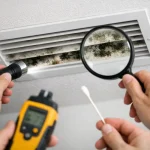
For many people, the real issue is not indoor air in general. It is the AC system itself. If mold is growing inside vents, ducts, or around the air handler, every cooling cycle can spread particles into the spaces where you sleep, work, and breathe. That is why a focused test can be more useful than a broad, expensive inspection right at the start.
What DIY air quality test kits actually do
Not all home air tests are built for the same problem. Some are designed to screen for allergens, some measure particles, and some look for chemical pollutants. Others are specifically meant to help detect mold tied to your HVAC system.
That difference matters. If you are dealing with visible spots around vents, a damp smell from the return, or allergy-like symptoms that seem worse when the AC runs, you do not necessarily need a complicated whole-home analysis first. You need an answer to a much narrower question: could mold be present in the system that is moving air through the property?
A good DIY kit gives you that first answer quickly. It is not trying to replace every kind of environmental inspection. It is helping you confirm whether there is a problem worth acting on before you spend hundreds on a full investigation.
Why AC-specific testing makes more sense for many homes
Mold grows where moisture and organic material meet. In air conditioning systems, that can happen around coils, drain pans, insulation, duct surfaces, or areas with condensation buildup. Even a well-maintained system can develop hidden growth if humidity stays high or drainage is poor.
The challenge is that HVAC mold is often out of sight. You may not see it on a wall or ceiling. Instead, you notice clues. The air smells stale or musty. Certain rooms feel worse than others. Family members start reacting indoors but improve when they leave the house. In a small business, employees may complain that the office air feels off, especially near vents.
That is where targeted DIY air quality test kits stand out. Instead of testing every possible indoor pollutant, they help you check the source that may be affecting the entire building. When the AC is the delivery system, testing the AC is usually the smart first move.
What a simple kit should feel like to use
If a test kit is hard to understand, many people will put it off. That delay can cost time, comfort, and in some cases health. The best at-home kits are designed for regular homeowners, renters, and business operators, not trained inspectors.
A simple process matters as much as the result. You should be able to collect a sample without special tools, without taking apart your system, and without guessing whether you did it right. Clear steps reduce stress and make it more likely that you will actually test when warning signs appear.
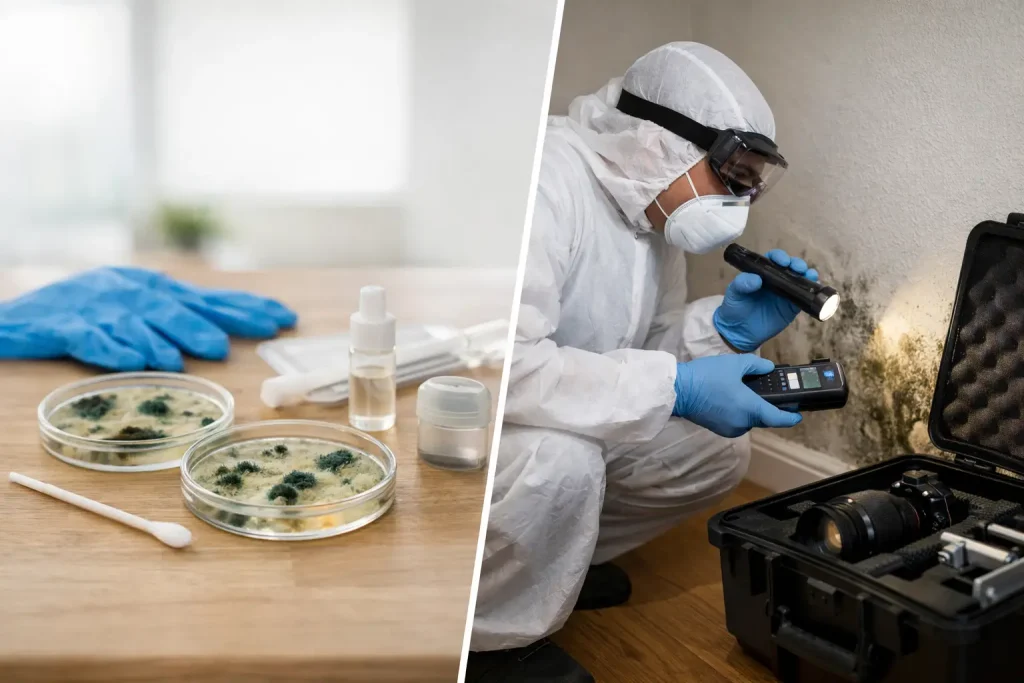
This is one reason AC mold kits have become more appealing than older inspection-first options. A straightforward process like clip, combine, cover removes a lot of the friction. Instead of waiting days to schedule someone, paying for a visit, and hoping they inspect the right area, you can start getting answers right away.
What DIY air quality test kits can tell you – and what they cannot
Home test kits are useful, but they are not magic. Used correctly, they can tell you whether mold contamination is likely present in the sampled area or system. That is valuable because it helps you decide whether the next step should be cleaning, service, repair, or full remediation.
What they usually cannot do on their own is map every contaminated surface in the building, identify the full extent of hidden moisture damage, or replace licensed remediation when a major problem exists. If a kit indicates mold in the AC system, you may still need professional follow-up depending on severity.
That does not make the test less worthwhile. It makes it practical. A low-cost screening tool is often the right first layer of protection. It gives you direction. It can save you from doing nothing, and it can also save you from overreacting to a vague smell with an expensive inspection before you know whether mold is even part of the issue.
When to use diy air quality test kits at home
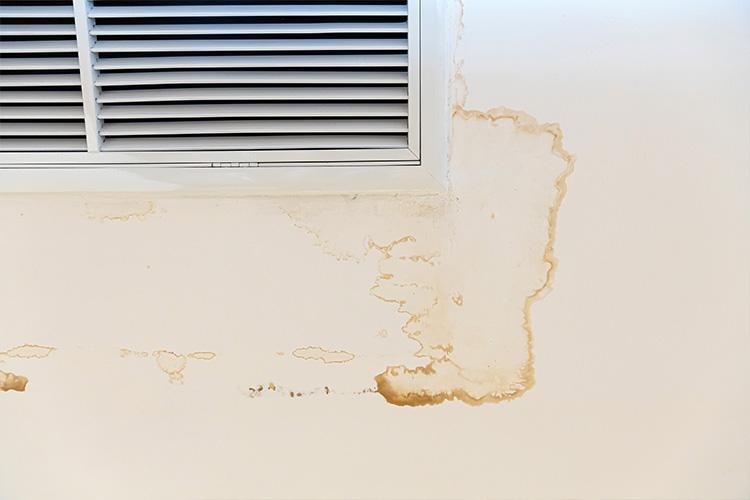
There are a few situations where testing makes immediate sense. One is after you notice a musty odor coming from vents. Another is when coughing, sneezing, irritated eyes, or sinus pressure seem to worsen indoors, especially while the AC is running. Testing is also smart after water intrusion, persistent humidity problems, or HVAC drainage issues.
Property owners often use these kits during real estate transitions, after tenant complaints, or before putting a home back on the market. Small business owners use them when air complaints start affecting staff confidence or customer comfort. In both cases, speed matters. You want a quick signal before the concern grows into a bigger operational or health problem.
There is also peace of mind value here. Sometimes the result points away from mold in the AC system, which helps narrow your search. Maybe the smell is coming from another source. Maybe the issue is dust buildup, filtration, or a different moisture problem. Knowing what it is not can still be helpful.
How to choose between different DIY air quality test kits
The biggest mistake shoppers make is assuming every kit tests for the same thing. Some are broad indoor air products with vague promises. Others are specific to a known concern. If your symptoms and warning signs point to the HVAC system, choose a kit built for that purpose.
Look for clarity over hype. The instructions should be easy to follow. The result timeframe should be clearly stated. If lab validation is available as an option, that can add confidence for customers who want an extra layer of documentation. Price matters too, but not just in terms of being cheap. The real question is whether the kit gives you a useful answer fast enough to support action.
A focused AC mold test often offers better value than a generalized home test because it is solving the problem you are most likely trying to confirm. Clean Vent Air Solutions built its approach around that exact need – fast, affordable detection for mold inside residential and commercial AC systems.
What to do after you get your result
If the result suggests mold is present, do not panic, but do not ignore it either. Mold tied to the HVAC system can continue circulating through the building, so waiting too long can worsen exposure and allow contamination to spread further.
Your next step depends on the severity of the signs. In a mild case, you may start by having the system professionally cleaned and inspected for moisture sources, drainage issues, or damaged insulation. If there is extensive visible growth, strong odor, recurring water problems, or ongoing health complaints, a more complete HVAC and remediation assessment may be necessary.
If the result does not indicate mold, pay attention to what your home is still telling you. Persistent air quality complaints deserve follow-up, but now you can focus your attention elsewhere instead of guessing. That kind of clarity is one of the real benefits of testing early.
DIY air quality test kits are a first step, not a last resort
People often wait too long because they think testing means committing to an expensive process. It does not. The best use of a home kit is simple: get an informed answer while the problem is still manageable.
That matters for families with kids, older adults, anyone with asthma or allergies, and business owners responsible for the comfort of employees and customers. Indoor air problems tend to get more stressful the longer they stay uncertain. A quick test helps replace uncertainty with direction.
If your AC has been pushing out musty air, if symptoms keep showing up indoors, or if you just want to know whether mold could be hiding in the system, acting early is the safer move. Clean air starts with knowing what is moving through your vents.