
Is a Mold Test Kit With Lab Report Worth It?
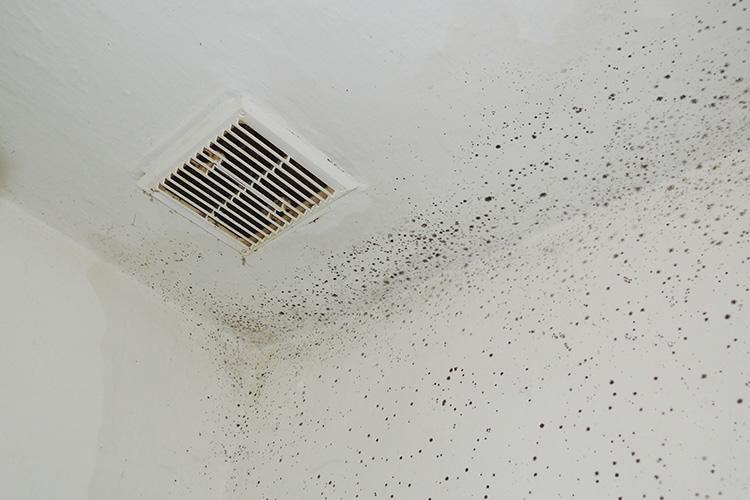
A musty smell when the air conditioner turns on is not something to brush off. Neither are recurring allergy-like symptoms, unexplained throat irritation, or dark spots around vents. A mold test kit with lab report gives you a practical way to check the system moving air through your home or business – and, when needed, add independent documentation to the result.
For many people, the real question is not whether mold is serious. It is whether they need to pay for a full inspection before they know there is a problem. Testing your AC system first can provide a faster, lower-cost starting point and help you decide what action makes sense next.
What a Mold Test Kit With Lab Report Does
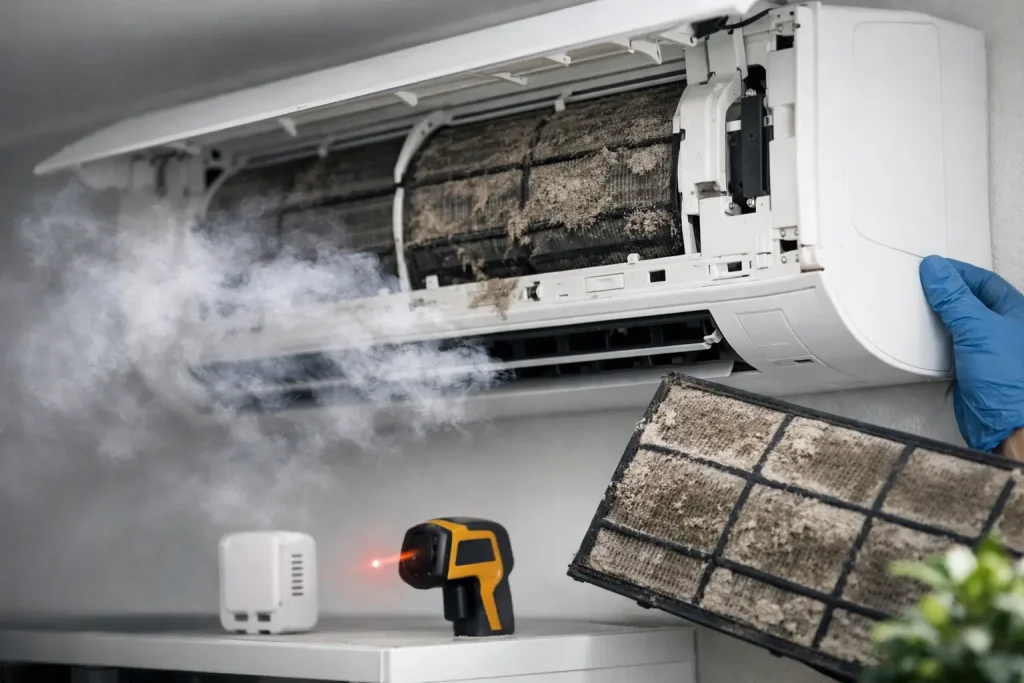
An AC-focused mold test kit is designed to collect a sample from the area where contamination may be circulating: the supply vent or air-handling system. That matters because mold inside ductwork, near coils, or around drain components can affect more than one room. Each time your system runs, it may distribute particles and odors through the building.
With a simple DIY collection process, you can look for evidence of mold without taking apart your HVAC system or waiting days for an initial appointment. Clean Vent Air Solutions uses a straightforward clip, combine, cover process so homeowners, renters, and business owners can collect a sample without technical training.
The optional lab report adds another layer of confirmation. Depending on the testing process, laboratory analysis can document findings in a formal report that may be useful when you want additional validation, need to speak with an HVAC professional, or are documenting a concern for a landlord, property manager, or workplace.
A lab report is not the same as a complete mold inspection. It does not identify every possible moisture source in a building or replace an experienced professional when contamination is extensive. What it can do is help turn a vague concern into clearer information about whether your AC system needs attention.
When Lab Validation Is Especially Helpful
A quick at-home result may be enough when your goal is simply to decide whether to clean, schedule HVAC service, or watch for changes. But there are situations where a lab report can be worth the added step.
You are dealing with persistent symptoms or odors
If people in the home or workplace regularly experience congestion, coughing, itchy eyes, headaches, or respiratory irritation that seems worse when the AC runs, documentation can help you approach the issue with more confidence. Mold exposure affects people differently, and these symptoms can have many causes. Still, a pattern connected to your ventilation system deserves attention.
A lingering musty odor is another reason to test. Covering the smell with air fresheners does not address what may be growing in a damp area of the system. Condensation, clogged drain lines, dirty coils, and humid conditions can create opportunities for mold to develop.
You need to communicate with another party
Renters may need to raise an indoor air concern with a landlord. Small business operators may need to explain why they are requesting HVAC maintenance. Homeowners may want a clear record before discussing a problem with an HVAC contractor or before making decisions about a property.
In these cases, a lab report can make the conversation more specific. Instead of saying, “The vents smell strange,” you can share documented test information and request an appropriate next step.
You want a baseline after water or HVAC trouble
A water leak, drain pan overflow, extended humidity problem, or neglected AC maintenance can change the condition inside a system. Testing after an issue gives you a reference point. It can also be useful after cleaning or service, especially if odors or symptoms return.
What a Lab Report Can and Cannot Tell You
A lab report is valuable because it adds objective analysis, but it should be read in context. Mold is common in the environment. Finding mold-related material does not automatically prove that a building has a widespread hidden mold problem, nor does a clear result guarantee that every surface or room is free from contamination.
The strength of an AC-specific test is its focus. If your concern is the air coming from your vents, testing the ventilation pathway is more relevant than randomly sampling a distant wall or countertop. The result helps answer a focused question: Is there evidence that mold may be present in the system circulating our air?
What happens next depends on the result and the conditions around it. A positive result paired with a strong odor, visible growth, water damage, or worsening respiratory symptoms calls for prompt action. A professional HVAC technician can inspect components such as the evaporator coil, condensate drain, blower compartment, and accessible ductwork. If there is substantial growth or water damage beyond the HVAC system, a qualified mold remediation professional may be appropriate.
If symptoms are severe, persistent, or affect someone with asthma, allergies, a weakened immune system, or other respiratory concerns, speak with a healthcare professional as well. A test kit supports an environmental decision. It is not a medical diagnosis.
How to Get a More Useful Sample
Testing works best when the sample reflects the area you are concerned about. Follow the kit instructions closely and avoid improvising with household swabs, tape, or containers. Small handling differences can affect whether a sample is usable.
Before collecting, think about timing. If the musty odor only appears after the AC has been running, test when the system is being used normally. If you just had vents cleaned, coils serviced, or a leak repaired, note that context when reviewing your result. It may help explain changes from an earlier test.
Keep the test area as undisturbed as possible. Do not spray disinfectant, fragrance, or cleaning products immediately before sampling. Those products may mask odors and make it harder to understand what you are seeing. The goal is not to create a perfect laboratory environment in your living room. The goal is to capture an honest snapshot of the condition of your AC system.
What to Do After You Receive Results
A concerning result is a signal to act, not a reason to panic. Start by looking for moisture. Mold needs water, so check for dripping around the indoor unit, standing water in a drain pan, a clogged condensate line, wet insulation, or humidity that stays high indoors. Do not disturb visible mold growth if the area is large or if you are not sure how to safely handle it.
For minor, accessible issues, HVAC maintenance may be the appropriate next step. Ask the technician to inspect the parts of the system where moisture commonly collects and to address the cause, not just the odor. Replacing a filter can improve airflow, but it will not solve active growth on a coil or in a drain system.
For extensive contamination, repeated water intrusion, or visible mold covering a large area, seek qualified remediation guidance. The right response depends on where the growth is located, how widespread it is, and whether building materials are affected. A low test result should not override obvious signs of water damage, and a positive result should not lead to unnecessary demolition without a proper inspection.
After corrective work, retesting can offer reassurance that the air system is in better condition. That is particularly useful when the original issue involved recurring odors or a problem that had gone unresolved for a long time.
Is the Extra Cost Worth It?
It depends on what you need from the test. If you want a fast, affordable first check of your vents, a DIY AC mold test may give you the direction you need. If you need documented validation, are dealing with a property dispute, or want greater confidence before paying for service, the lab report can be a sensible addition.
The best value is often early detection. Waiting until a musty smell becomes visible growth or until moisture damages more of the system can make the next steps more expensive and disruptive. Checking your AC system while the concern is still manageable gives you more choices.
If your air smells off, your family feels worse when the AC runs, or you have noticed signs of moisture around the system, take the concern seriously. A simple test can be the first protective step toward cleaner air and a safer space to breathe.