
Mold Lab Report Review for Clearer AC Answers
A lab result can feel alarming when you are already noticing a musty AC smell, coughing more indoors, or seeing suspicious spotting near vents. A mold lab report review helps turn that piece of paper into a practical answer: Is there evidence of mold in the system moving air through your home or business, and what should you do next?
The goal is not to panic over a scientific term or ignore a result because it seems confusing. The goal is to identify a potential air-quality problem early, before repeated exposure, moisture, and contamination have more time to spread.
Start With What the Report Actually Tested
Before focusing on a positive or negative result, look at the sample description. A report may identify where the sample came from, when it was collected, and the method used to examine it. That context matters.
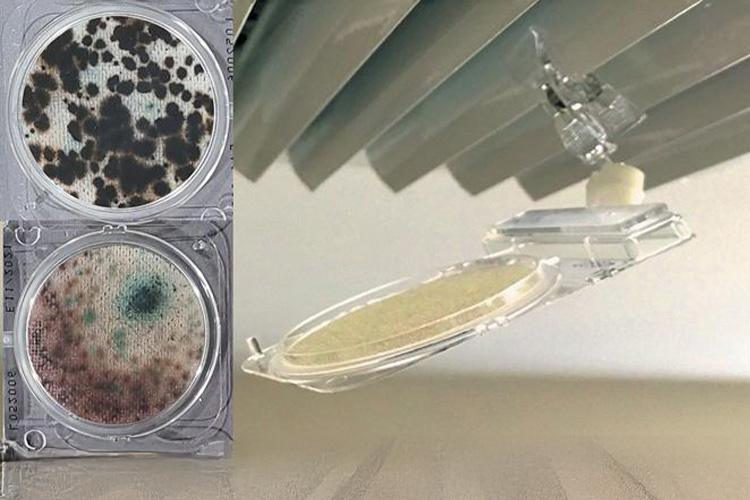
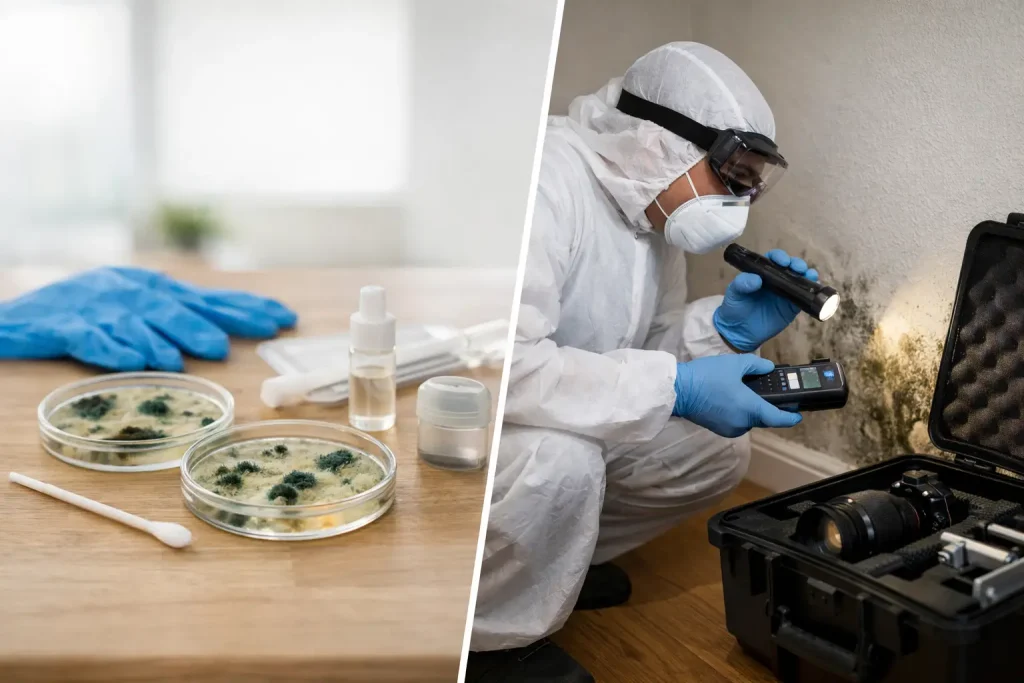
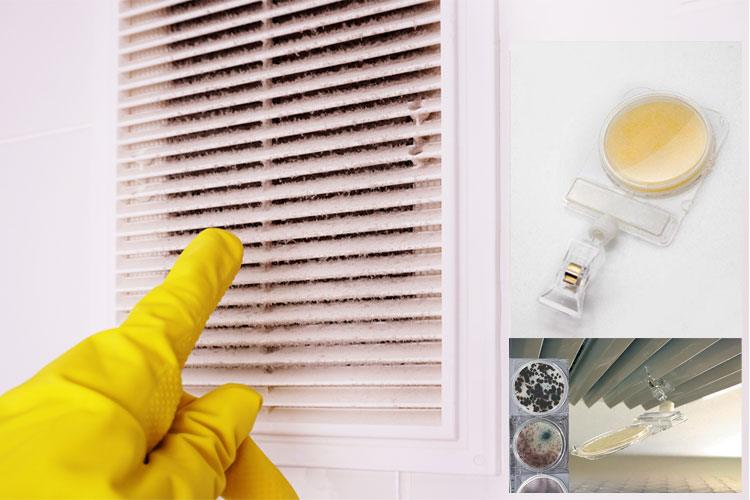
A sample collected from inside an AC vent or from an HVAC testing device is designed to answer a focused question: whether mold contamination may be present in the system that circulates air. It is not the same as a whole-home inspection, a medical diagnosis, or proof that every room has a mold problem.
That distinction protects you from two common mistakes. The first is assuming a clean result means there can never be mold anywhere in the property. The second is assuming a positive result automatically means the entire building is heavily contaminated. A result is a valuable signal, but it should be read alongside what you are seeing, smelling, and experiencing indoors.
How to Read a Mold Lab Report Review
Most people want one clear answer: “Is there mold or not?” In many cases, the report provides that direction. Still, the details can help you make a smarter decision about cleanup, HVAC service, or further assessment.
Positive findings deserve timely attention
A positive finding means the laboratory identified evidence consistent with mold in the submitted sample. That does not tell you exactly how much mold is inside every duct, coil, or air handler. It does tell you there is a reason to investigate the system rather than wait for the problem to become more visible.
Mold inside or around an AC system can be especially frustrating because the system may distribute particles and odors every time it runs. If your results are positive and you also notice a stale or musty smell when the air turns on, dark spots around registers, condensation, or recurring allergy-like irritation, the concern becomes more urgent.
The next step may be cleaning and servicing the affected HVAC components, correcting moisture problems, replacing heavily contaminated materials where appropriate, or bringing in a qualified professional for a larger issue. The right choice depends on the condition of the system and whether the contamination appears limited or widespread.
Negative does not always mean “nothing is wrong”
A negative report means the lab did not identify mold in that specific sample. That is reassuring, especially when you are testing as a precaution. But it is still a snapshot, not a permanent guarantee.
Mold growth can be uneven. A problem may be limited to a drain pan, evaporator coil, insulation, a particular duct run, or another location not captured by the sample. If strong odors, visible growth, water damage, or persistent symptoms continue despite a negative result, do not dismiss what your senses are telling you. Check for moisture and consider a more targeted HVAC evaluation.
Identified mold types can add context, not certainty
Some reports may name mold genera or categories found in the sample. This can be useful, but homeowners and renters should avoid trying to diagnose risk based on a name alone. Mold behavior, the amount present, the location, building conditions, and the health of people exposed all affect what a result means in real life.
You may see terms that sound technical or concerning. Focus first on the practical question: Is mold evidence present in the HVAC sample? Then focus on eliminating the moisture and contamination source. A report can guide the next move, but it cannot replace a property-specific assessment when the situation is extensive.
Compare the Results With Warning Signs
Lab findings become more useful when they match the conditions in your space. Think about when the issue began and what changes when the AC runs.
A positive result carries extra weight when there is a damp or sour odor from vents, visible discoloration near registers, recurring condensation, a recently clogged condensate line, past water damage, or an air handler that has not been properly cleaned. In a business, complaints that employees or customers feel worse in one area can also point toward a ventilation-related concern.
Physical symptoms deserve care, but they are not proof of mold by themselves. Sneezing, itchy eyes, throat irritation, coughing, headaches, or worsening allergies can have many causes, including dust, pollen, pet dander, cleaning products, and poor ventilation. If symptoms are severe, persistent, or affect someone with asthma, allergies, or a weakened immune system, contact a healthcare professional. The lab report can help you assess the environment, not diagnose a person.
What to Do After a Positive Result
A positive report is a reason to act, not a reason to guess. Start by reducing the conditions mold needs to grow: moisture and organic debris.
First, inspect for obvious moisture issues around the air handler, drain pan, condensate line, nearby insulation, and supply vents. Standing water, frequent sweating, blocked drainage, or leaks should be corrected promptly. Running an AC system with an ongoing moisture problem can allow contamination to return even after cleaning.
Next, arrange appropriate HVAC cleaning or inspection based on what you find. A limited issue may call for servicing a drain system, cleaning accessible components, and replacing a dirty filter. Visible growth inside equipment, repeated musty odors, or signs of widespread contamination may call for a qualified HVAC or mold remediation professional. Be cautious of anyone promising that a quick spray alone will solve a serious moisture problem. Cleaning without fixing the cause is often temporary.
If you rent, document the odor, visible conditions, water intrusion, and test results in writing. Share the information with your property manager and request action. Small business owners should also document findings and repair steps, particularly if employees or customers have reported air-quality concerns.
When a Lab Report Is Not Enough
DIY testing is an affordable first step because it can help answer whether there is a reason to look closer. It is not always the final step.
Professional help is especially appropriate when you see extensive visible growth, have repeated water damage, smell mold throughout the property, suspect contamination in multiple areas, or cannot access the HVAC components safely. The same applies if a vulnerable person is experiencing significant respiratory symptoms or if cleanup would involve opening walls, removing insulation, or handling large affected areas.
There is a trade-off. A full professional inspection can provide a broader picture, but it costs more and may take longer to schedule. A focused AC mold test can offer a faster, lower-cost starting point when your concern is the air coming from the vents. Clean Vent Air Solutions is built around that practical first step: check the system quickly, then make your next decision with more confidence.
Keep the Report for Future Reference
Save your report with the date, sample location, photos of any visible conditions, and notes about odors or water events. This record can help you track whether the issue returns after HVAC service or seasonal humidity changes.
If you retest later, use the same general sampling approach when possible. Comparing results is more useful when the locations and conditions are similar. A follow-up test does not replace proper cleaning or repair, but it can provide added reassurance that the steps you took addressed the concern.
Your air conditioner should cool your space, not leave you wondering what it is carrying through every room. Read the result, address moisture quickly, and let the evidence guide your next step toward cleaner air.