
Indoor Air Quality Testing Cost Explained
That first musty smell when the AC kicks on can change the whole feel of a home. Suddenly, the question is not just what you are breathing – it is how much the answer will cost. Indoor air quality testing cost varies more than most people expect, and the price depends heavily on what you are testing for, how fast you need answers, and whether you start with a simple screening or jump straight to a full inspection.
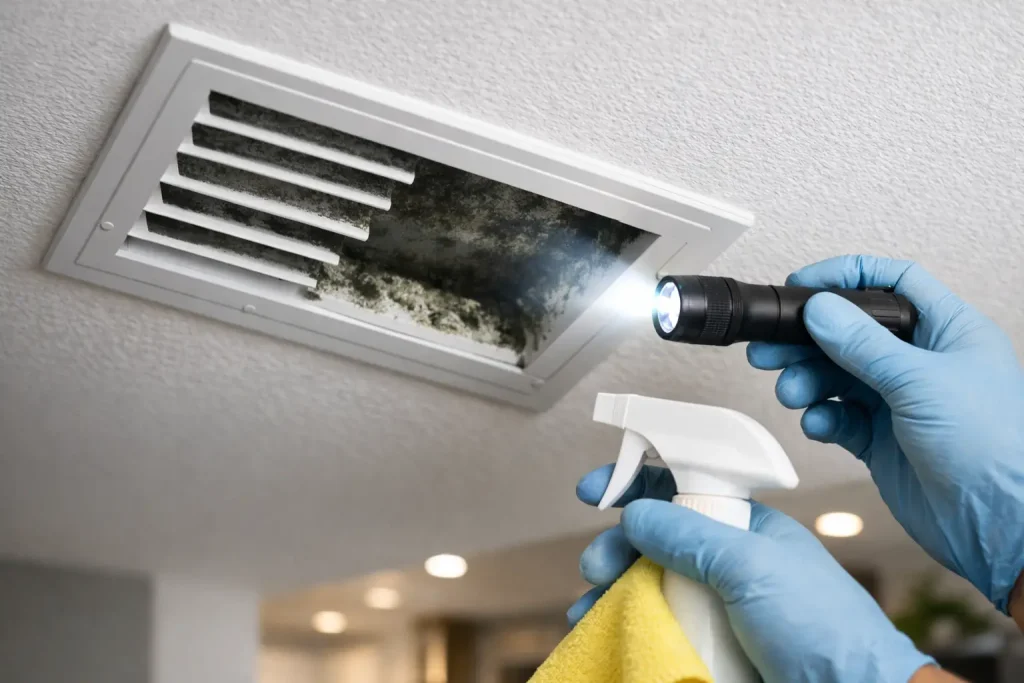
For many homeowners, renters, and small business owners, the biggest mistake is assuming every air quality test needs to be expensive. Sometimes it does. If there are serious health symptoms, widespread contamination, or a real estate transaction involved, a professional inspection may be the right move. But if you are trying to confirm a likely issue in your AC system, especially possible mold inside vents or air handlers, there are lower-cost ways to get a fast first answer.
What affects indoor air quality testing cost?
The price of indoor air testing is not really one price. It is a range. A basic DIY test might cost less than a dinner out, while a professional indoor environmental assessment can run into the hundreds or more.
What changes the price most is the scope of the test. A targeted test for one problem, such as mold in an HVAC system, will usually cost less than a whole-property investigation for mold, volatile organic compounds, allergens, particulate matter, carbon monoxide, formaldehyde, humidity issues, and ventilation performance. The more contaminants you want checked, the more labor, equipment, and lab analysis are involved.
Speed also matters. If you want same-day professional sampling, detailed reporting, or multiple test locations, the bill goes up. Home size matters too. Testing a small apartment is different from sampling a two-story home or a commercial space with several HVAC zones.
Another major factor is whether the test is being used as a screening tool or as documentation. If you simply want to know whether there may be mold in the air moving through your vents, that is different from paying for a formal report to support remediation, insurance questions, or a legal dispute.
Typical indoor air quality testing cost ranges
If you are researching indoor air quality testing cost, you will usually find three broad price levels.
At the low end, DIY screening kits often range from around $20 to $100, depending on what they test and whether lab analysis is included. These are best for people who want an affordable first step, especially when there is a specific concern like mold coming from an AC system.
In the middle, single-focus professional tests may land somewhere in the low hundreds. This might include a targeted mold assessment, a few air samples, or a technician visit to evaluate one suspected issue.
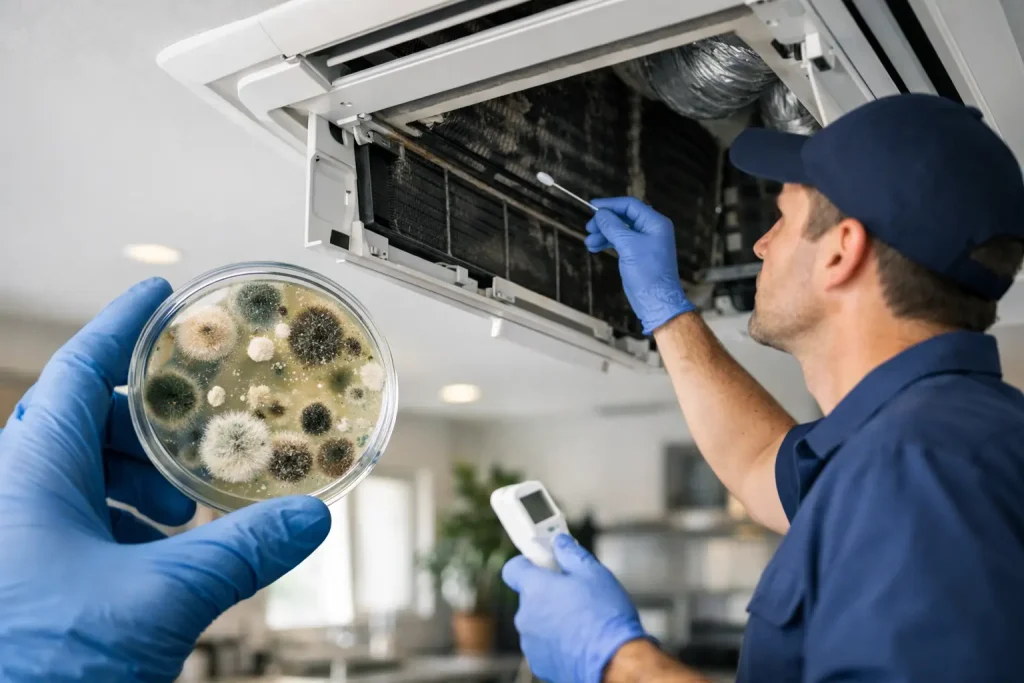
At the higher end, full indoor air quality inspections commonly cost several hundred dollars and can climb higher for large homes, complex contamination concerns, or commercial properties. These inspections may include moisture readings, thermal imaging, several air or surface samples, and written recommendations.
That range is why sticker shock happens. People search one phrase, but they are comparing very different services.
DIY vs professional testing
For many households, the real question is not just price. It is whether the lower-cost option gives you enough useful information to make a smart next move.
DIY testing makes sense when you have early warning signs and want a quick, simple answer. Maybe the AC smells damp every afternoon. Maybe someone in the house gets irritated eyes or congestion when the system runs. Maybe you can see spotting around vents and want to know if mold is involved before paying for a full service call. In those cases, a targeted DIY mold screening tool can save time and money.
Professional testing makes more sense when the problem appears widespread, symptoms are severe, or the property has a history of water damage. It is also the better fit when you need a trained inspector to identify hidden moisture sources, assess multiple rooms, or separate one indoor pollutant from another.
Neither option is automatically better. It depends on the goal. If the goal is early detection and a fast first step, DIY can be the smart move. If the goal is comprehensive documentation and root-cause investigation, professional testing earns its higher price.
Why mold testing in AC systems is often a separate issue
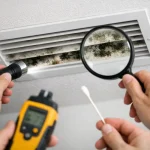
A lot of people think of indoor air quality as a whole-house problem, but HVAC mold has its own logic. If mold is growing inside the air handling system or duct pathway, the system can spread contaminated air from one area to another. That makes AC-specific testing especially important when the warning signs seem strongest while the air is running.
This is where broad indoor air testing can sometimes miss the mark. A general room sample may not tell you clearly whether the source is your vent system, furniture, outside air, or a damp wall cavity. A focused AC mold test is often more useful if the system itself is the suspected source.
That targeted approach can also lower indoor air quality testing cost because you are narrowing the question. Instead of paying for a full-property investigation right away, you are first checking whether the HVAC system is the likely problem.
When a lower-cost test is enough
A lower-cost test is often enough when you are trying to answer a simple but urgent question: is there likely mold in the AC system that is circulating through this space?
If you are dealing with a musty odor from vents, recurring allergy-like symptoms indoors, visible dust or spotting around registers, or concern after an HVAC shutdown or moisture event, a fast screening test can help you decide what to do next. That can prevent two expensive mistakes – ignoring a real problem or overpaying for a service you may not need yet.
This is why affordable kits appeal to families and property managers alike. They reduce hesitation. Instead of waiting and wondering, you can test first and act based on what you find.
Clean Vent Air Solutions is built around that first step. Its low-cost AC mold test kit is designed specifically for people who want a fast answer from the system moving air through their home or business, without starting with a costly inspection.
Hidden costs people forget to ask about
The listed price is not always the full price. That is true for both DIY and professional options.
With professional testing, ask whether the quote includes travel, multiple samples, lab analysis, and a written report. Some companies advertise a low inspection fee, then charge more for every additional sample or recommendation. If remediation is suggested, that is a separate cost entirely.
With DIY kits, check whether the lab fee is included, how long results take, and whether there is an option for documented reporting if you need it. A cheap kit that creates confusion is not really cheap. A low-cost kit that gives a clear answer quickly can be far more valuable.
This is also where specialization matters. A test created specifically for AC mold screening is often more practical than a generic kit if your concern is tied to vents and central air.
How to choose the right testing option for your budget
Start with the problem you are actually seeing. If your concern is broad and you have several possible causes, a wider indoor air assessment may be worth the money. If the signs point directly to your HVAC system, a focused mold test is usually the more efficient path.
Next, think about urgency. If people in the space are feeling worse when the AC runs, speed matters. Waiting a week or two for a complicated appointment may not feel acceptable. A simple test that can be done right away has real value.
Then consider what decision the test needs to support. Are you deciding whether to call an HVAC company, schedule mold remediation, or just monitor conditions? You do not always need the most expensive option to make the next smart move.
Indoor air quality testing cost and peace of mind
The best test is not the most expensive one. It is the one that answers the right question soon enough to protect the people in the space.
Indoor air quality testing cost can be modest or substantial, depending on how much information you need. For many households and small businesses, a focused, affordable screening test is the easiest way to stop guessing and start taking action. If the issue turns out to be bigger, you can escalate with more confidence. If it is caught early, you may save yourself money, stress, and exposure.
When the air in your home or business does not feel right, waiting rarely makes it cheaper. A clear first step usually does.