
Indoor Air Testing Trends 2026 for Your Home
A musty smell that returns every time the AC turns on is no longer something homeowners are willing to ignore. The biggest indoor air testing trends 2026 are moving toward faster answers, more focused testing, and earlier action – especially when an air conditioning system may be circulating mold through a home, office, or rental property.
For many families and small business owners, the goal is not to become an indoor air quality expert. It is to find out whether there is a real issue before spending hundreds or thousands of dollars on an unnecessary service call, or worse, allowing contamination to spread unnoticed. That shift is changing how people approach air testing.
Indoor Air Testing Trends 2026: Faster, More Targeted Answers
Broad indoor air testing can be useful in certain situations, but it can also leave people with confusing results. A general test may identify particles in a room without showing whether the HVAC system is the source. In 2026, more consumers are looking for testing that answers a specific question: Is mold present in the AC system that is moving air throughout the building?
This focus makes sense. Central air systems pull in air, move it through return vents, filters, coils, ductwork, and supply vents, then send it back into the spaces where people sleep, work, and spend time. When moisture and organic debris collect inside parts of that system, mold can develop and travel with the airflow.
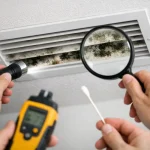
Targeted AC and vent testing gives homeowners a practical first step. Instead of beginning with a full-property investigation, they can check the system connected to the odor, visible vent spotting, repeated allergy-like symptoms, or concern after water damage. A positive result does not replace a professional assessment when one is needed, but it can provide a clear reason to act quickly.
DIY testing is becoming the first line of defense
Professional indoor air quality inspections still have an important place, particularly after flooding, major leaks, visible widespread growth, or ongoing health concerns. But they are not always the right first move for every musty odor or unexplained AC concern.
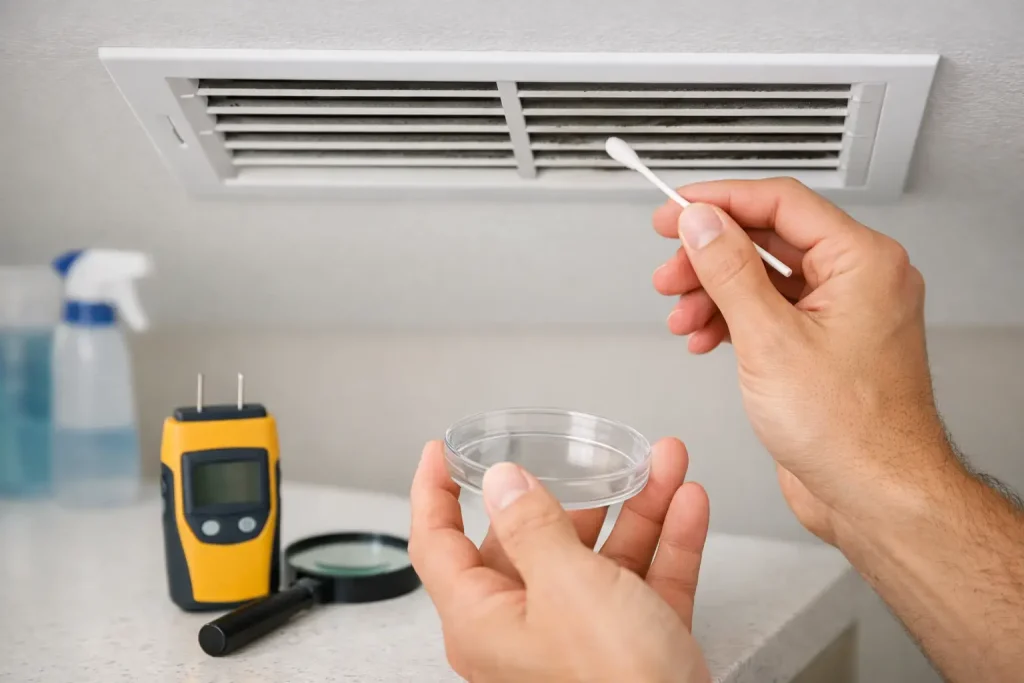
One of the clearest trends is the use of affordable DIY tests before scheduling more expensive services. Homeowners want a simple screening option that can help them decide whether to call an HVAC technician, a mold remediation company, a landlord, or a property manager.
A good DIY AC mold test should be easy enough for a non-expert to use correctly. The process should not require collecting a complicated air sample, mailing bulky equipment, or waiting weeks for basic answers. Clean Vent Air Solutions uses a straightforward clip, combine, cover process designed to help customers check for possible mold contamination in their AC system and receive results within 24 to 48 hours.
The trade-off is simple: DIY testing can offer speed and direction, while professional inspections may be necessary to identify the full extent, location, and cause of a larger contamination problem. Starting with an accessible test can make that next decision more informed.
More Attention on the HVAC System, Not Just the Room
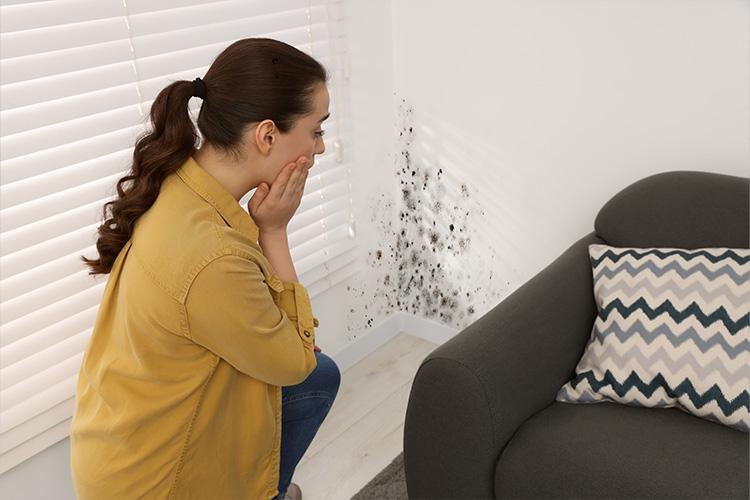
For years, people have associated mold with bathrooms, basements, and visible water damage. Those areas still deserve attention, but awareness is growing around mold inside air handling systems. A clean-looking room does not guarantee clean air circulation.
The HVAC system can be easy to overlook because much of it is hidden. Homeowners may replace filters regularly and still miss moisture around evaporator coils, condensate drain lines, duct insulation, or vent components. High humidity, clogged drains, dirty filters, and periods when the system is not running can all create conditions that support mold growth.
In 2026, expect more people to connect recurring symptoms to their cooling systems. Common warning signs include a persistent musty or dirty-sock odor when the air turns on, sneezing or throat irritation that seems worse indoors, unexplained headaches, visible dark or fuzzy spots around vents, and moisture near indoor AC components.
None of these signs proves mold on its own. Seasonal allergies, dust, pet dander, cleaning products, and outdoor pollution can create similar discomfort. But when symptoms or odors consistently appear with HVAC use, testing the system is a sensible step.
Renters and workplaces are demanding documentation
Another important change is the demand for a record of concerns. Renters may need a clear way to document a suspected AC-related issue before contacting a landlord. Small business owners may want evidence before closing off a work area, requesting building maintenance, or spending money on a large service visit.
A test result can help turn a vague complaint into a more specific conversation. Rather than saying, “The air smells strange,” a tenant or business owner can explain that the HVAC system was checked because there were signs of possible mold contamination. That does not assign blame or diagnose a building, but it gives maintenance teams a reason to inspect the right area.
For HVAC contractors, this trend creates an opportunity as well. A targeted test can become a practical diagnostic add-on when customers report odors or concerns that are not immediately visible during routine service. It helps contractors begin with evidence rather than guesswork.
Health Awareness Is Driving Earlier Testing
People are paying closer attention to how their homes affect how they feel. Families with children, older adults, people with asthma, and anyone with allergies often want to reduce potential indoor triggers as quickly as possible.
Mold exposure can affect people differently. Some may notice nasal congestion, coughing, eye irritation, or skin irritation. Others may have no obvious symptoms at all. The severity of a reaction can depend on individual sensitivity, the type and amount of mold present, ventilation, and how long exposure continues.
That uncertainty is exactly why early testing matters. Waiting for visible growth or severe symptoms can allow a moisture problem to become more expensive to correct. A small concern caught early may only require cleaning, drainage repair, filter replacement, humidity control, or HVAC maintenance. A long-standing problem may require more extensive remediation.
Testing should never be used to dismiss serious symptoms. Anyone experiencing severe breathing difficulty or an urgent medical concern should seek medical care. For ongoing indoor air concerns, testing the AC system can be one useful part of protecting the environment where your family spends the most time.
Convenience Will Matter More Than Technical Jargon
The most useful indoor air testing trends are not about making homeowners learn laboratory terminology. They are about making it easier to take the right action at the right time.
Consumers increasingly expect clear instructions, fast turnaround, and results they can understand. They also want to know what to do next. If a test suggests mold, the next step may be inspecting the air handler, checking the condensate drain, replacing a dirty filter, looking for water intrusion, or contacting a qualified HVAC or remediation professional. If a test does not indicate mold, homeowners can consider other likely causes of odors and irritation, such as dust buildup, dirty coils, pollen, or humidity.
This is where focused testing has an advantage. It does not promise to answer every possible indoor air question. It helps answer one urgent question clearly enough to guide the next decision.
Prevention is becoming part of routine AC care
Testing is only one part of cleaner indoor air. More homeowners are treating HVAC maintenance as preventive health and property care, not just a repair task for when the system stops cooling.
Keep indoor humidity under control, change filters on schedule, address water leaks quickly, and make sure condensate drains are functioning properly. After a major leak, flood, or prolonged period of humidity, pay extra attention to odors and moisture around vents and AC equipment. If something seems off, do not wait for the problem to become visible.
The direction for 2026 is clear: people want quick, affordable clarity before a possible mold issue grows into a larger health or property concern. If your AC system is producing a musty odor or your indoor air no longer feels right, a focused test can be the calm, practical first move toward safer breathing.