
Can Mold in Vents Make You Sick? What to Do
A musty smell that returns every time the air conditioner starts is more than an annoyance. If you have unexplained sneezing, coughing, irritated eyes, or allergy-like symptoms that improve when you leave the building, you may ask: can mold in vents make you sick? It can contribute to symptoms, especially when mold contamination or moisture inside an HVAC system is being circulated through the air you breathe.
That does not mean every dark spot near a vent is dangerous mold, or that every cough comes from your AC. But it does mean the warning signs deserve a fast answer. Testing early can help you make an informed decision before a small moisture issue becomes a larger air-quality and property problem.
Can Mold in Vents Make You Sick?
Mold in or around air vents may affect health because a central HVAC system moves air throughout your home, apartment, office, or storefront. When mold grows inside a damp air handler, evaporator area, ductwork, drain pan, or vent, spores and fragments can be carried along with that airflow.
For many people, exposure may cause no noticeable symptoms. Others may develop nasal congestion, sneezing, throat irritation, coughing, watery eyes, itchy skin, headaches, or worsening allergy symptoms. People with asthma can be more sensitive to airborne irritants and may experience increased wheezing, chest tightness, or trouble breathing.
The people who should be especially cautious include children, older adults, people with asthma or severe allergies, anyone with chronic lung conditions, and people with weakened immune systems. If a household member has breathing difficulty, persistent respiratory symptoms, or a serious health concern, contact a healthcare professional promptly. An HVAC mold test can help identify a potential environmental concern, but it cannot diagnose the cause of symptoms.
Why AC Systems Can Become a Mold Source
Air conditioners remove humidity from indoor air. That is part of their job, but it also creates moisture. When moisture does not drain properly or surfaces stay damp, mold has the conditions it needs to grow: water, organic material such as dust, and time.
Common trouble areas include a clogged condensate drain, standing water in a drain pan, a dirty evaporator coil, poorly insulated ducts that sweat, leaks near ductwork, and filters that are overdue for replacement. High indoor humidity can add to the problem, particularly in hot, humid climates where the AC runs hard for long stretches.
A vent cover may look clean even if a problem is developing farther inside the system. On the other hand, dust buildup around a register can look alarming without confirming mold. That is why visual inspection alone is not always enough. You need a practical way to check what may be circulating through the system.
Symptoms and Signs You Should Not Ignore
The strongest clue is often a pattern. Symptoms may feel worse when the AC is running, in one particular room, or after the system has been off and starts again. A damp, earthy, or musty odor from supply vents is another reason to investigate.
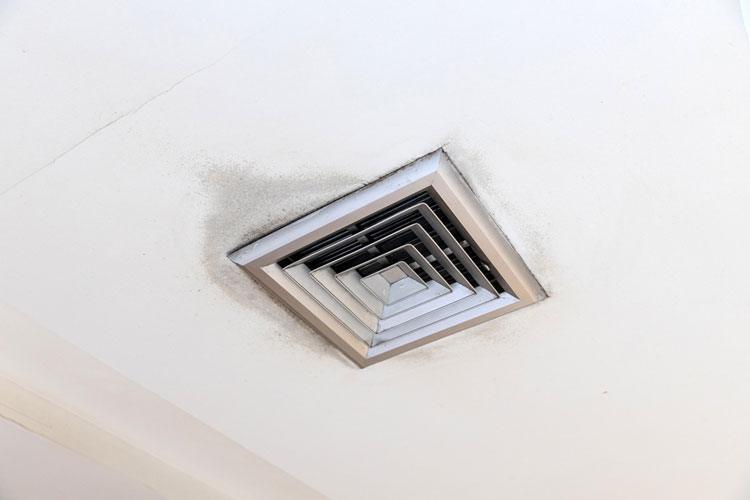
Watch for discoloration around vent covers, recurring black or green-looking spots, condensation near registers, water stains on ceilings or walls near ducts, and an AC drain line that backs up. You may also notice that dust returns quickly or that one room feels unusually humid compared with the rest of the building.
These signs do not prove what type of mold is present or how much exposure has occurred. They do tell you that moisture and contamination should be taken seriously. Waiting for the smell to become overwhelming is not a good air-quality strategy.
A Fast First Step Before Costly Repairs
You do not need to guess or immediately commit to a full-scale remediation project. Start by checking whether mold contamination is present in the AC system. A focused HVAC test can give you useful information quickly and help determine whether the next call should be to an HVAC technician, a qualified mold professional, your landlord, or a property manager.
Clean Vent Air Solutions offers a DIY AC mold test designed specifically for vents and HVAC systems. The process is simple: clip, combine, and cover. It is built for homeowners, renters, and small business owners who want an accessible first answer, with results in 24 to 48 hours and an optional lab report when additional validation is needed.
Testing is particularly useful when there is a musty odor but no obvious leak, when symptoms seem tied to the AC, after water damage, or before spending money on duct cleaning or major HVAC work. It can also help document a concern when you need to speak with a landlord or building manager.
What to Do if You Suspect Mold in Your Vents
First, do not disturb visible growth by aggressively brushing, scraping, or blowing it into the room. Avoid spraying random chemicals into your ductwork, too. Some products can create fumes, damage system components, or leave behind moisture without solving the underlying cause.
Next, check the basics you can safely see. Replace a dirty filter with the size and type recommended for your system. Look for water around the indoor unit, a clogged drain line, or signs that the drain pan is not emptying. Keep indoor humidity under control, ideally using air conditioning, ventilation, or a dehumidifier as needed.
If a test indicates mold, focus on the moisture source as well as the contamination. Cleaning a vent cover without fixing a drain issue, coil problem, duct leak, or humidity problem can lead to repeat growth. An HVAC professional can inspect mechanical issues, while a qualified mold remediation professional may be appropriate for extensive contamination, significant water damage, or mold growth beyond the HVAC system.
For renters, take dated photos of visible conditions, record odors and symptoms, and notify the landlord or property manager in writing. For business owners, act quickly to protect employees and customers and to prevent a small maintenance issue from disrupting operations.
When Professional Help Is the Right Call
DIY testing is a useful first step, but it is not the right endpoint for every situation. Arrange professional evaluation quickly if you see widespread growth, have repeated water intrusion, smell strong odors throughout the building, or have occupants with serious respiratory concerns. The same is true if the HVAC system has been flooded or if contamination returns after cleaning.
Be cautious of anyone who promises to solve the issue with a single fogging treatment while ignoring drainage, humidity, and mechanical maintenance. Mold prevention is not just about killing what you can see. It is about drying the system, correcting the condition that allowed growth, and confirming that the air path is being properly addressed.
Protect the Air Before the Problem Grows
Your vents should deliver comfortable air, not a recurring question mark about what your family, tenants, employees, or customers are breathing. A musty odor, moisture around the AC, or symptoms that flare when the system runs is a reason to act, not panic. Get a clear answer early, address the source of moisture, and give your indoor air the attention it deserves.