Homeowner Guide to AC Mold Testing and Next Steps
A musty smell that appears when the air conditioner starts is not something to ignore or simply cover with an air freshener. Your AC moves air through every room, so contamination inside the system can keep circulating long after the odor fades. This homeowner guide to AC mold testing explains how to spot warning signs, test the right area, and decide what action makes sense for your home.
Why Mold Can Grow Inside an AC System
Air conditioners remove moisture from indoor air. That moisture is supposed to drain away, but damp conditions can develop around the evaporator coil, condensate drain pan, ductwork, insulation, and supply vents. Add dust and other organic debris, and mold may have a place to grow.
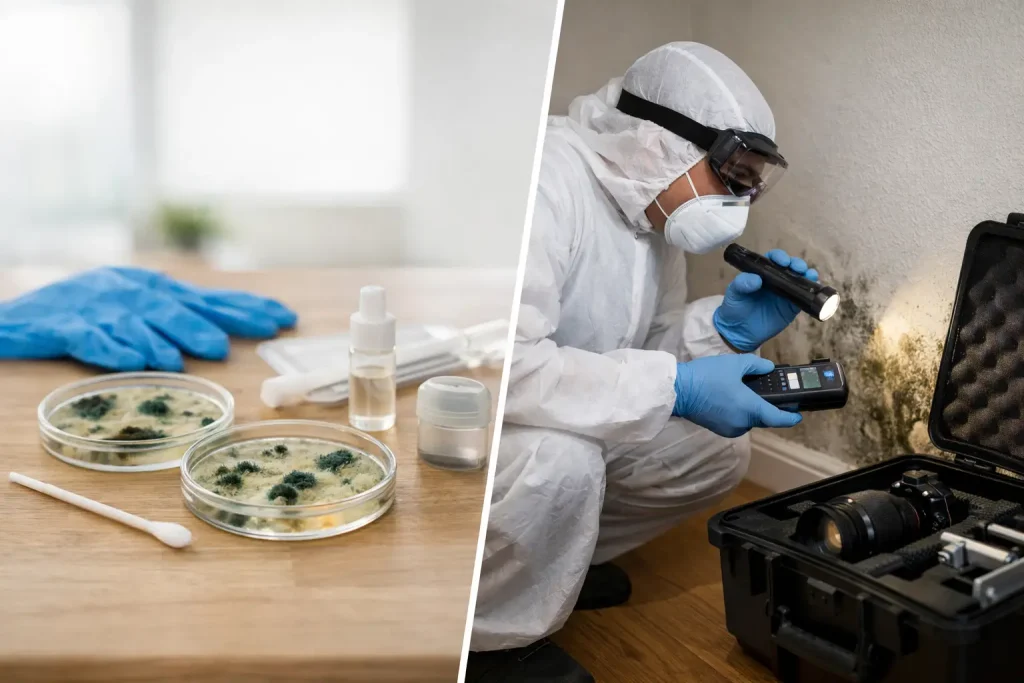
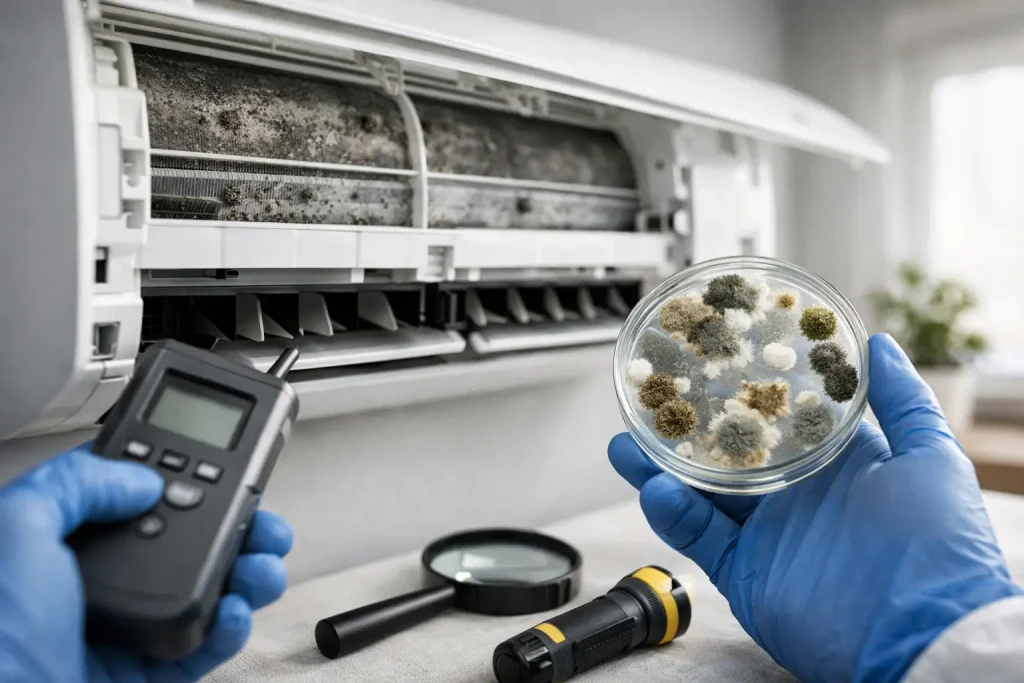
Mold in an HVAC system is not always visible from the room. You may see dark spotting around a vent cover, but the source could be farther inside the vent or near a component that is harder to inspect. That is why a visual check alone can leave homeowners uncertain.
A mold concern does not automatically mean your entire home is contaminated or that you need an expensive remediation project. The right next step depends on what the test shows, where contamination is found, how extensive it appears to be, and whether anyone in the home is experiencing symptoms. Testing gives you a clearer starting point before you spend money on cleaning or repairs.
Signs It Is Time to Test Your AC Vents
The most common signal is a persistent musty or earthy odor that becomes stronger when the AC or heat turns on. This smell can come from several sources, including a dirty drain pan or wet insulation, but it deserves attention when it keeps returning.
You may also notice visible discoloration around vent grilles, on nearby ceiling or wall areas, or inside a vent opening. Black, green, gray, or white spots are not enough to identify a specific type of mold by sight. Still, they are a reason to investigate rather than wipe the area and assume the problem is gone.
Health-related clues can be harder to interpret. Sneezing, coughing, throat irritation, watery eyes, headaches, or allergy-like symptoms may have many causes. But if symptoms seem worse in one building, improve when you leave, or flare up when the system runs, AC mold testing can help you rule in or rule out one possible concern.
Testing is also sensible after water damage, an AC leak, a clogged condensate line, a long period of high indoor humidity, or a home that has been closed up for weeks. Renters can test as well. Documenting what you observe and the date you tested can be useful when discussing indoor air concerns with a landlord or property manager.
How to Check Before You Test
Before collecting a sample, do a quick inspection with the system turned off. Remove a vent cover only if you can do so safely and easily. Use a flashlight to look just inside the opening for dust buildup, moisture, discoloration, rust, or damaged insulation. Do not reach deep into ducts, disturb suspicious material, or scrape surfaces that may release particles into the air.
Check the air filter, too. A filter packed with dust can restrict airflow and contribute to conditions that make moisture problems harder to manage. Replacing a dirty filter is basic maintenance, but it is not a substitute for testing if you have a recurring odor, visible growth, or a known water issue.
Also pay attention to whether the AC is draining properly. Water around the indoor unit, a full drain pan, or frequent system shutdowns can point to a condensate problem. If you see active leaking, turn off the system if necessary to prevent further water damage and contact an HVAC professional promptly.
A Simple Homeowner Guide to AC Mold Testing
A DIY test is most useful when it is targeted. Rather than testing random rooms, collect your sample from the vent or area connected to the concern. Choose a supply vent where the odor is strongest, where spotting is visible, or where household symptoms seem most noticeable.
Follow the instructions included with your kit exactly. Clean Vent Air Solutions uses a straightforward process: clip, combine, and cover. The goal is to capture a sample from the air pathway without requiring technical HVAC knowledge or an immediate full-system inspection.
To get a more meaningful result, avoid cleaning the target vent immediately before testing. If you recently sprayed fragrances, disinfectants, or heavy cleaners into the vent, wait until the area is back to normal use and follow your kit directions. Keep the sample away from unnecessary handling, label it carefully if required, and place it in the recommended location while it develops.
Many homeowners choose a low-cost DIY AC mold test as an early screening step because it provides an answer in 24 to 48 hours. An optional lab report can add validation when you need additional documentation or want more detail before speaking with a contractor, landlord, or remediation provider.
No single test can diagnose a medical condition or identify every hidden moisture source in a building. Think of the result as practical evidence that helps you decide whether to clean, inspect, repair, or bring in a professional.
What Your Results May Mean
If your test does not show mold, that can be reassuring, especially if you tested the area of concern correctly. But a negative result does not fix a persistent musty odor, water leak, or visible staining. If the problem continues, inspect for moisture issues and consider an HVAC evaluation. Odors can also come from bacteria in the drain system, dirty coils, pest issues, or materials that stayed wet after a leak.
If your test indicates mold, do not panic. Start by looking for the moisture source. Mold cannot continue to grow without moisture, so cleaning without correcting a leak, drainage issue, or humidity problem often leads to repeat contamination.
For a small amount of surface growth limited to a removable vent cover, careful cleaning may be appropriate. Wear gloves, avoid dry brushing, and make sure the cover is fully dry before reinstalling it. Do not use a household cleaning task as a reason to ignore growth inside ducts, insulation, or HVAC equipment.
Professional help is the safer choice when contamination appears widespread, returns after cleaning, involves water-damaged building materials, or affects an occupant with asthma, severe allergies, a weakened immune system, or other respiratory concerns. A qualified HVAC technician can assess mechanical problems such as drain line clogs, coil contamination, and airflow restrictions. Mold remediation professionals may be needed when the problem extends beyond the system itself.
Preventing a Repeat Problem
Once you have addressed a mold concern, prevention comes down to controlling moisture and keeping the system maintained. Change filters on the schedule appropriate for your home, especially if you have pets, construction dust, or high pollen levels. Use the correct filter size and make sure it fits securely so air does not bypass it.
Keep indoor humidity under control. In many homes, a target range around 30% to 50% helps reduce the conditions mold prefers. The ideal setting can vary by climate and season, but consistently humid rooms, condensation on windows, and a clammy feeling indoors are signals to investigate.
Have your AC serviced when it is not cooling properly, draining correctly, or maintaining comfortable humidity. Routine maintenance should include attention to the drain system and coils, not just a quick filter change. If you have had prior contamination, schedule a follow-up test after cleaning and repairs to confirm that the concern has been addressed.
Your family should not have to guess what is traveling through the vents every time the AC turns on. A simple, targeted test can turn a nagging odor or unexplained concern into a clear next decision – and give you a practical way to protect the air inside the place you call home.